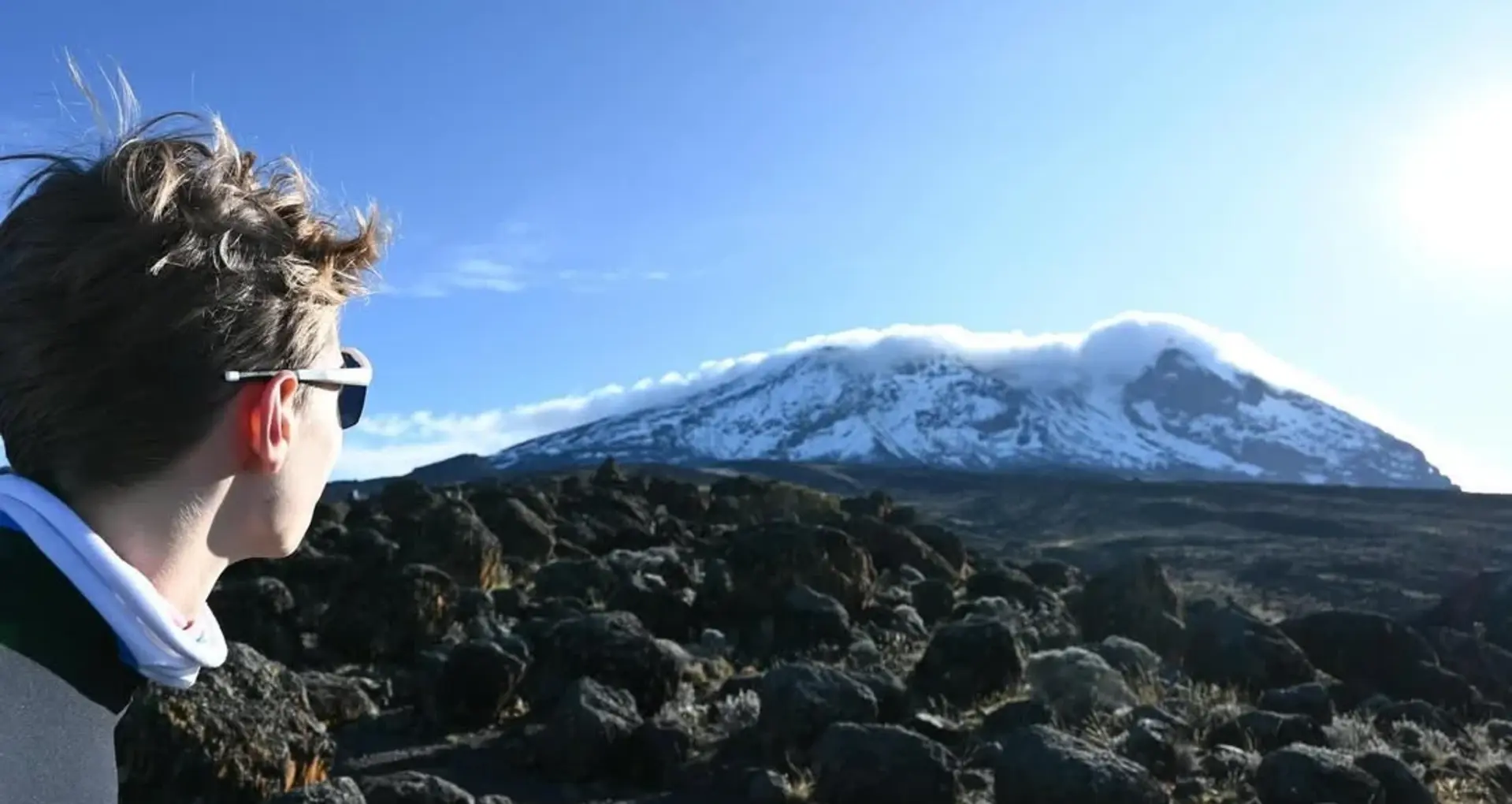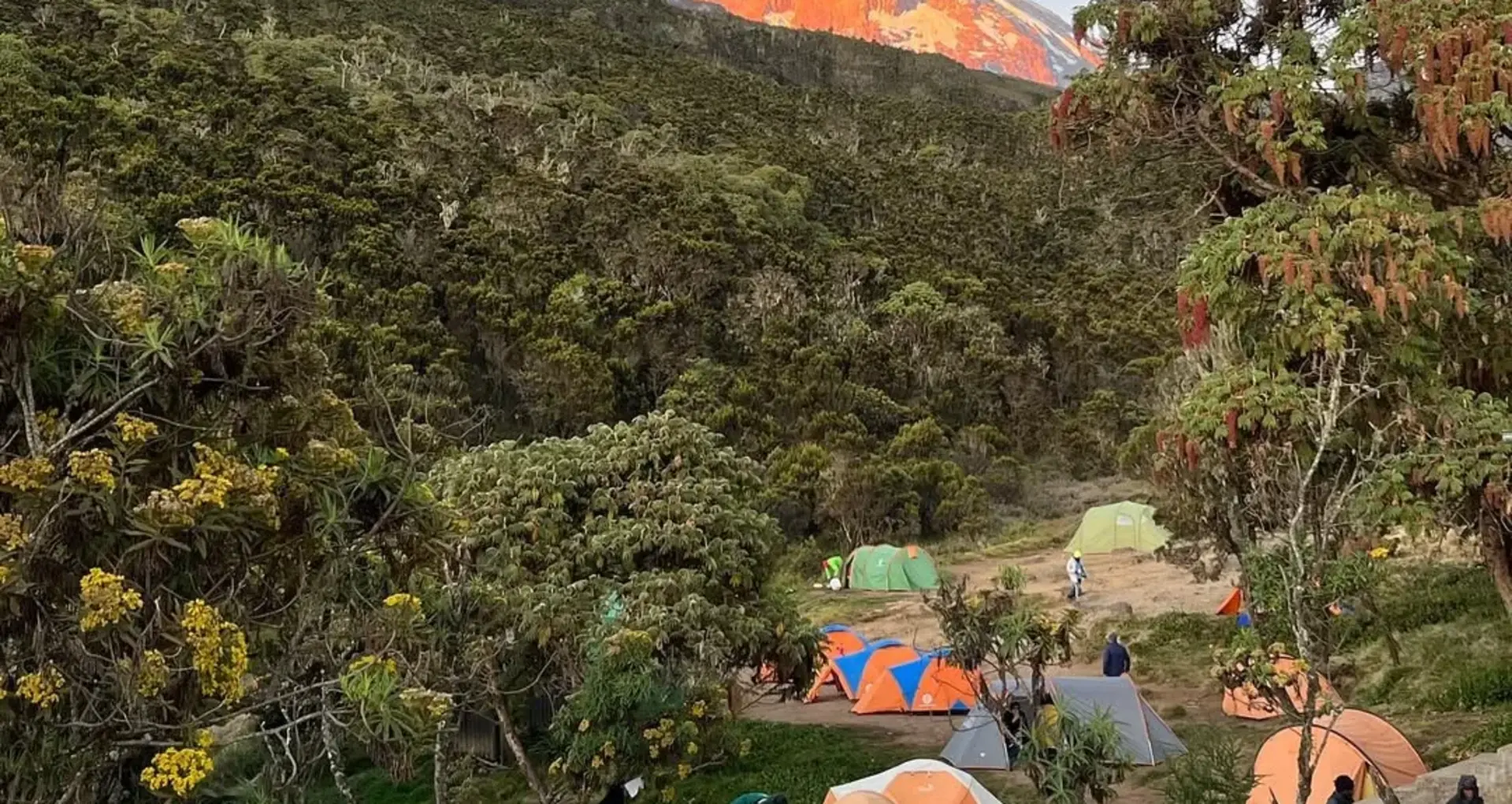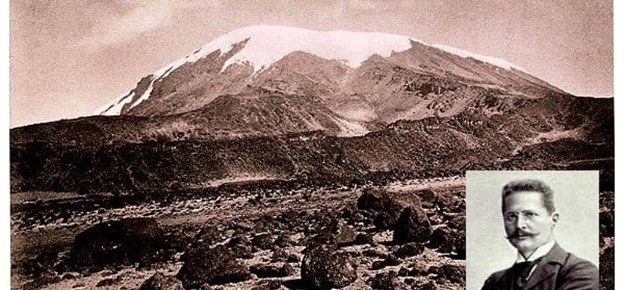
Mount Kilimanjaro’s majestic snow-capped summit has long captivated explorers, adventurers, and travellers worldwide. But behind its towering presence lies a rich history of daring expeditions, heroic efforts, and legendary figures who first conquered Africa’s highest peak. In this article, Kilisherpas Travel uncovers the story of the very first ascent of Kilimanjaro, the explorers behind it, and the fascinating facts that have shaped its legendary status.
When Was Kilimanjaro First Climbed?
The historic first ascent of Kilimanjaro took place on October 6, 1889, marking a milestone in mountaineering history. Led by German geographer Hans Meyer and Austrian mountaineer Ludwig Purtscheller, this expedition was a testament to perseverance, meticulous planning, and exploration spirit.
The Expedition: From Planning to Achievement
Hans Meyer, already an experienced mountaineer, organized his third expedition, aiming to reach the summit after two previous failed attempts.
Meyer’s extensive preparation included gathering a caravan of local porters and guides, securing support from the Chagga tribe chiefs, and carefully planning routes to conserve supplies.
The journey began in Moshi, in the German colony of East Africa, with Meyer passing through British territory and gaining local support.
The Climb: From Base to Summit
Camps were established at key points:
Abbott Camp — 3,894 meters (12,775 ft)
Kibo Camp — 4,263 meters (13,986 ft)
Lava Cave Camp — 4,578 meters (15,016 ft)
The ascent started early in the morning. On October 6, 1889, Meyer and Purtscheller reached the summit of Kibo after navigating ice walls, crevasses, and the treacherous caldera rim.
Meyer famously planted a German flag and named the peak “Kaiser Wilhelm Spitze” in honour of the German Emperor, symbolising national pride and exploration achievement.
The Pioneers of Kilimanjaro’s First Ascent
Hans Meyer: The Explorer and Cartographer
Birth: March 22, 1858, Leipzig, Germany
Background:
Meyer was a passionate geographer and natural scientist, with a keen interest in cartography and glaciology.
He embarked on numerous expeditions across South America, Africa, and Europe, focusing on glaciers and volcanoes.
His dedication culminated in the first successful climb of Kilimanjaro, cementing his legacy as one of Africa’s pioneering explorers.
Contributions:
Meyer’s detailed maps and scientific observations advanced understanding of African volcanoes and glaciation.
His published reports, including “Across East African Glaciers", remain foundational in mountain exploration literature.
Ludwig Purtscheller: The Mountain Legend
Birth: October 6, 1849, Innsbruck, Austria
Achievements:
Purtscheller was a prolific mountaineer, having climbed over 1,600 peaks worldwide.
His expertise, endurance, and adventurous spirit made him an ideal partner for Meyer’s expedition.
On October 6, 1889, his 40th birthday, Purtscheller achieved his lifelong dream—summiting Kilimanjaro’s Kibo Peak.
Legacy:
Known for his daring ascents and contributions to alpine exploration, Purtscheller’s death in 1900 during an expedition to Mont Blanc marked the end of a legendary career.
Who Were the Local Guides and Carriers?
The first ascent was not solely a European effort—local Chagga guides and porters played a vital role.
Yohani Kinyala Lauwo, often celebrated as the “Old Man of Kilimanjaro", is popularly linked to early expeditions, but historical evidence suggests his involvement was later, around the 20th century.
The true participants in Meyer’s 1889 expedition included Muini Amani and other porters from Pangani, who carried supplies and supported the climb from the base.
Despite legends, the most accurate accounts attribute the initial success to Meyer and Purtscheller, with local guides assisting along the route.
What Made the 1889 Ascent Historic?
It was the first confirmed ascent of Kilimanjaro’s highest point, Kibo Peak.
The successful climb was a major achievement in the era of exploratory mountaineering, predating Everest by nearly 64 years.
Meyer’s meticulous planning and local alliances set a new standard in African exploration.
The expedition helped dispel myths about the mountain’s inaccessibility and laid the groundwork for future ascents.
The Naming and Legacy
Originally called “Kaiser Wilhelm Spitze”, the peak was renamed “Uhuru Peak” in 1961, meaning “Freedom Peak” in Swahili, symbolising Tanzania’s independence.
The story of the first ascent remains a symbol of adventure, perseverance, and scientific curiosity.
Conclusion
The first climb of Kilimanjaro marked a pivotal chapter in mountaineering history. Hans Meyer's and Ludwig Purtscheller’s expedition demonstrated that with careful planning, local support, and unyielding determination, even Africa’s highest peak could be conquered. Today, Kilimanjaro continues to inspire explorers, offering new challenges and adventures for generations to come. Whether you’re a seasoned climber or an avid trekker, understanding its pioneering history enriches every step you take toward the summit.