Embarking on a Kilimanjaro ascent is not only a test of endurance and spirit but also a journey that demands proper nutrition and dietary considerations. At Kilisherpas Travel, we prioritize your health and comfort, ensuring that every meal supports your body’s needs at high altitude. This guide provides an in-depth look at Kilimanjaro meal plans, dietary restrictions, special food requirements, and tips to stay energised and healthy throughout your climb.
1. Food Preparation & Meal Service on Kilimanjaro
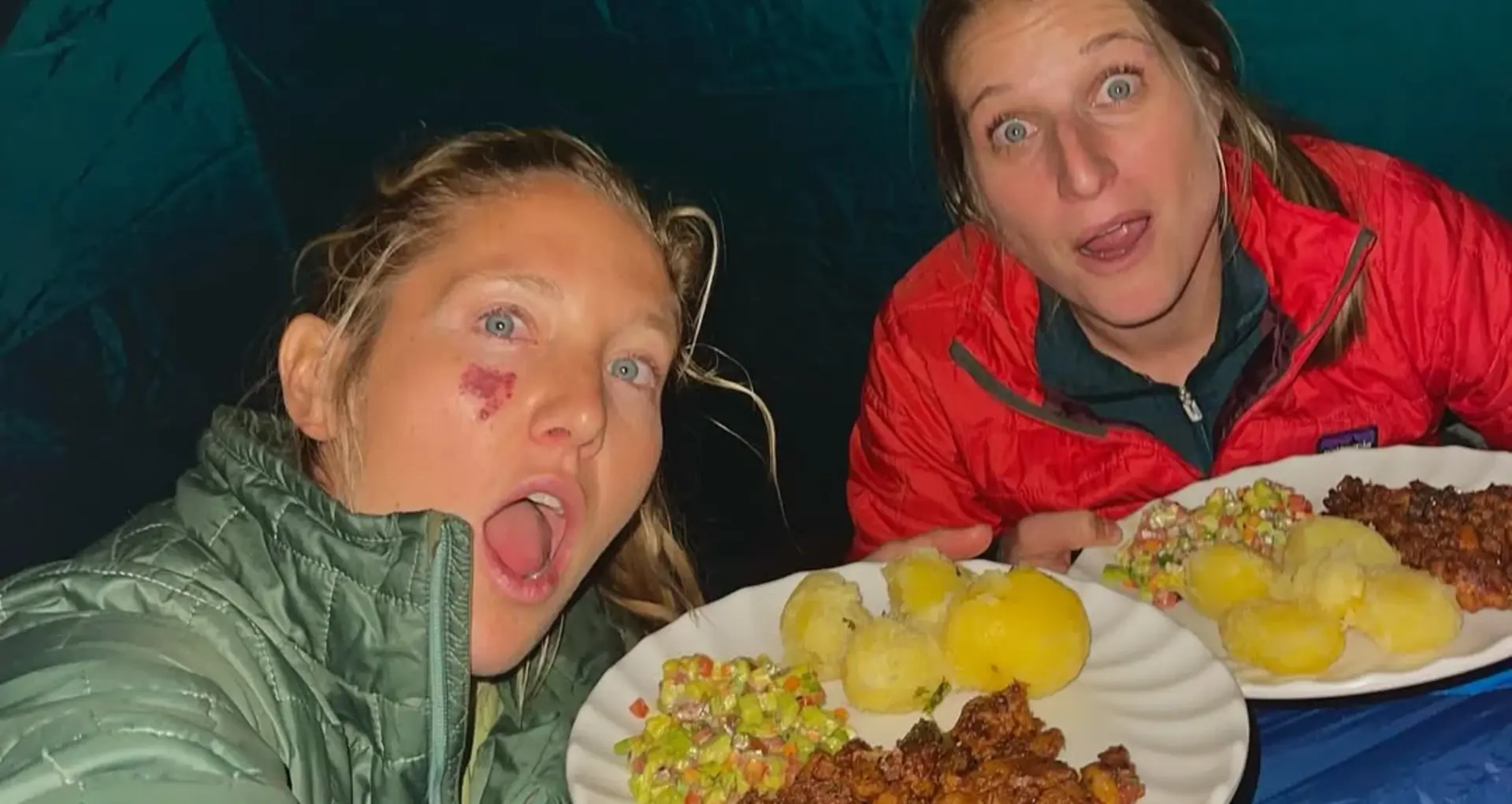
Meals on Mount Kilimanjaro are thoughtfully prepared by our experienced chefs and cooks, who craft nourishing, energy-boosting dishes suitable for high-altitude trekking.
Menu Flexibility: Meals are prepared according to our standard menu or tailored to your specific instructions, dietary needs, or doctor’s recommendations.
Vegetarian & Vegan Options: We offer dedicated vegetarian and vegan meal plans. Click here for more details.
Meal Structure: The mountain cuisine typically includes three main meals daily—breakfast, lunch, and dinner—designed to provide balanced nutrition and sustain energy during demanding treks.
Dietary Focus:
Our chefs are meticulous about controlling fats, cholesterol, and salt, ensuring meals are healthy and easily digestible—crucial for maintaining energy and stamina in high-altitude conditions.
Advance Notice:
Please inform us before your climb if you have any special dietary restrictions, allergies, or medical conditions. We will do our best to accommodate your needs.
2. Specialty Foods & Personal Ingredients
While Tanzanian markets offer a variety of fresh produce, certain speciality foods may be limited. We recommend bringing your preferred ingredients if you have specific dietary needs.
Recommended Supplies: Dried fruits, chocolates, cheeses, and energy snacks are available locally, but bringing your favourites ensures variety and satisfaction.
Custom Meals: Our team is happy to prepare meals with your own ingredients, especially for specialised diets or preferences.
Quantity Planning: Bring sufficient supplies to last the entire trip, as sourcing can be challenging at high altitude.
3. Dietary Restrictions & Special Diets
Low-Carb, Gluten-Free, and Diabetic Diets
For clients on specific diets, our meal plans focus on high-protein, low-carb options to sustain energy without causing blood sugar spikes.
Foods to Avoid: Bread, oats, starchy vegetables, pasta, rice, and sugary desserts.
Preferred Foods: Eggs, lean meats, vegetables low in carbohydrates, cheese, and healthy fats.
Daily Diet Tips: Incorporate more eggs, meats, low-carb vegetables, and cheese to meet energy needs.
Best Practices for Eating & Hydration
Hand Hygiene: Wash hands before every meal to prevent illness.
Meal Consistency: Do not skip meals—your body needs regular energy intake.
Balanced Nutrition: Prioritize high-carbohydrate meals, supplemented with snacks.
Hydration: Drink at least four liters of water daily; include electrolytes to replenish lost minerals.
Avoid Alcohol & Excessive Caffeine: These can dehydrate and impair acclimatisation.
4. Specialty Meal Options & Occasions
Special Event or Occasion Meals
Celebrating a birthday, honeymoon, wedding proposal, or holiday? Our team can arrange a cake, champagne, or special dishes to make your climb memorable.
Altitude Sickness & Appetite Loss: Even if altitude affects your appetite, continue to eat and hydrate to support acclimatization.
Fresh Fruits & Vegetables: Our menus include seasonal, locally sourced produce for optimal vitamins and fiber.
How We Keep Food Fresh
Food is stored in cooler boxes with daily deliveries from local farmers, ensuring freshness throughout your trek.
Local Sourcing: Fresh produce is supplied daily from Kilimanjaro region markets, supporting local farmers.
5. Kilimanjaro Meal Plan & Sample Menu
Morning Start – Breakfast
Begin each day with a warm, energy-boosting meal
Hot drinks: Tea, Coffee, Hot Chocolate
Eggs, Sausages & Bacon
Porridge or Fresh Pancakes
Seasonal Tropical Fruits
Midday Fuel – Lunch
Balanced meals to keep you moving on the trail
Hot drinks & light soup
Freshly made sandwiches
Chicken curry with rice or local dishes
Chapati, vegetables & fresh salads
Fresh fruits
Evening Recovery – Dinner
Hearty meals to restore energy after a full day
Warm soup & hot beverages
Choice of meat or chicken main
Pasta, rice, or potatoes
Fresh vegetables
Fruits & light desserts
Snacks: nuts, cookies, energy bars
Midnight Snack & On-Summit Treats: Hot chocolate, tea, biscuits, and fresh fruit to energise your ascent.
6. Managing Dietary Restrictions & Religious Needs
Kosher & Halal Options
Kosher Diets: We provide kosher-certified meals, including dairy, fish, and meat options, respecting Jewish dietary laws. We also accommodate Shabbat needs with special provisions like challah and grape juice.
Halal Diets: Our halal meals follow Islamic dietary laws, with halal-certified meats and prayer-friendly facilities.
Custom Requests: Please inform us of your religious or dietary needs when booking so we can prepare accordingly.
General Nutrition & Hydration Tips
Consume nutrient-dense foods rich in proteins, complex carbs, and antioxidants.
Hydrate consistently, aiming for 3–4 liters daily, to help prevent altitude sickness and maintain energy.
Start your diet and hydration routine well before the climb for optimal preparation.
Conclusion:
Proper nutrition is crucial for a successful Kilimanjaro expedition. At Kilisherpas Travel, we dedicate ourselves to providing delicious, nutritious, and tailored meals to support your high-altitude adventure. Communicate your dietary needs early, stay hydrated, and enjoy the journey—your summit awaits!