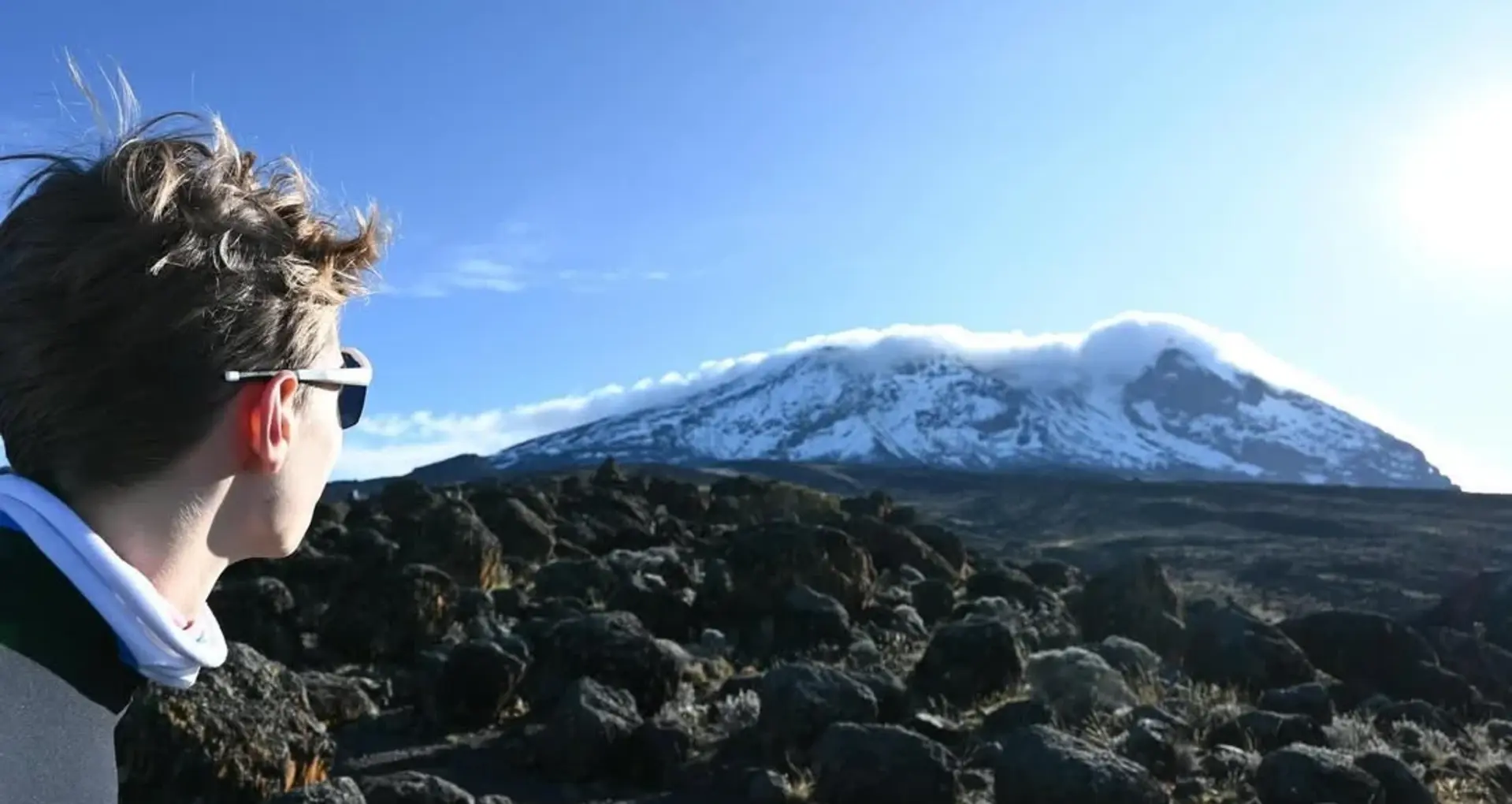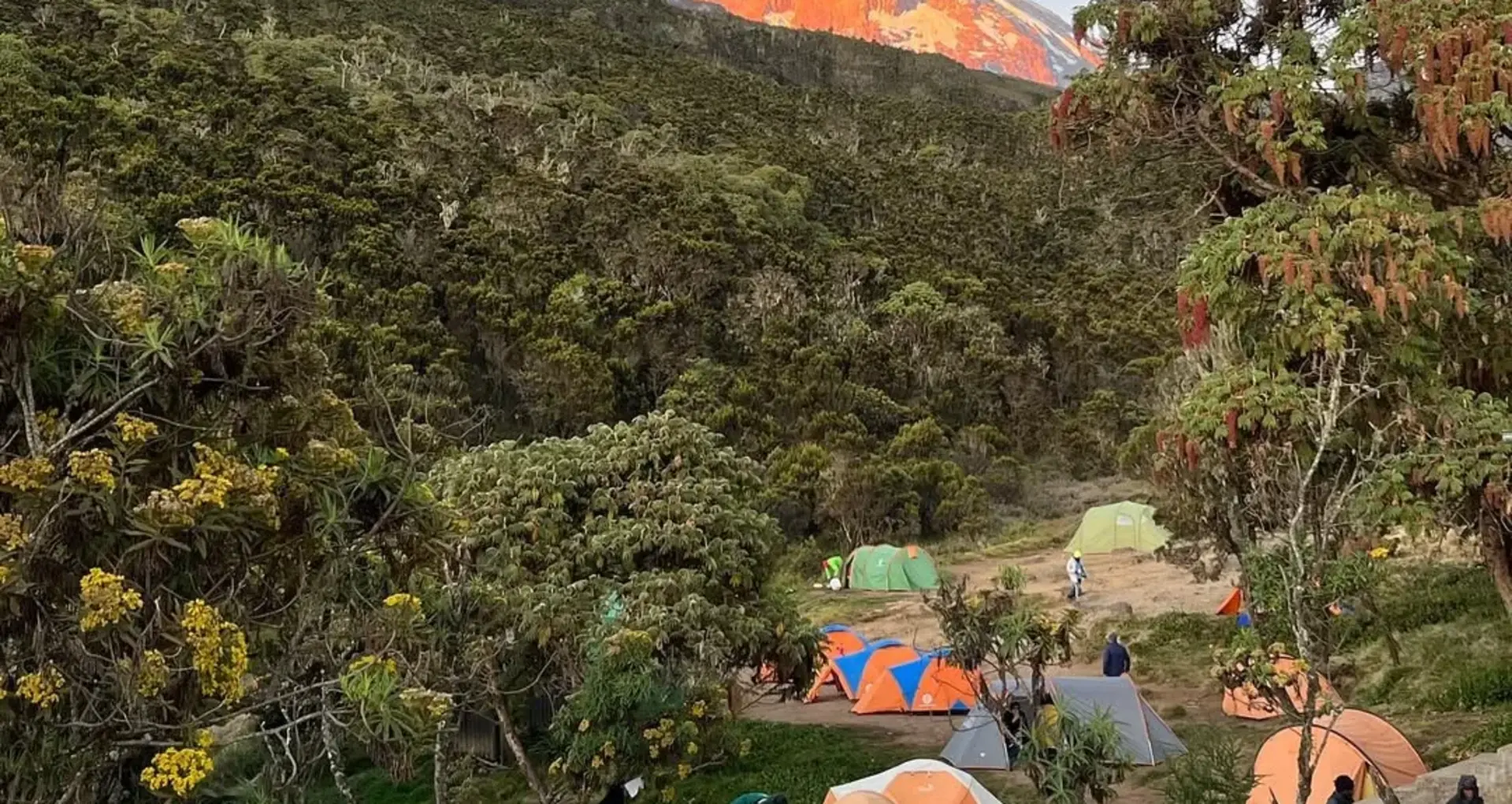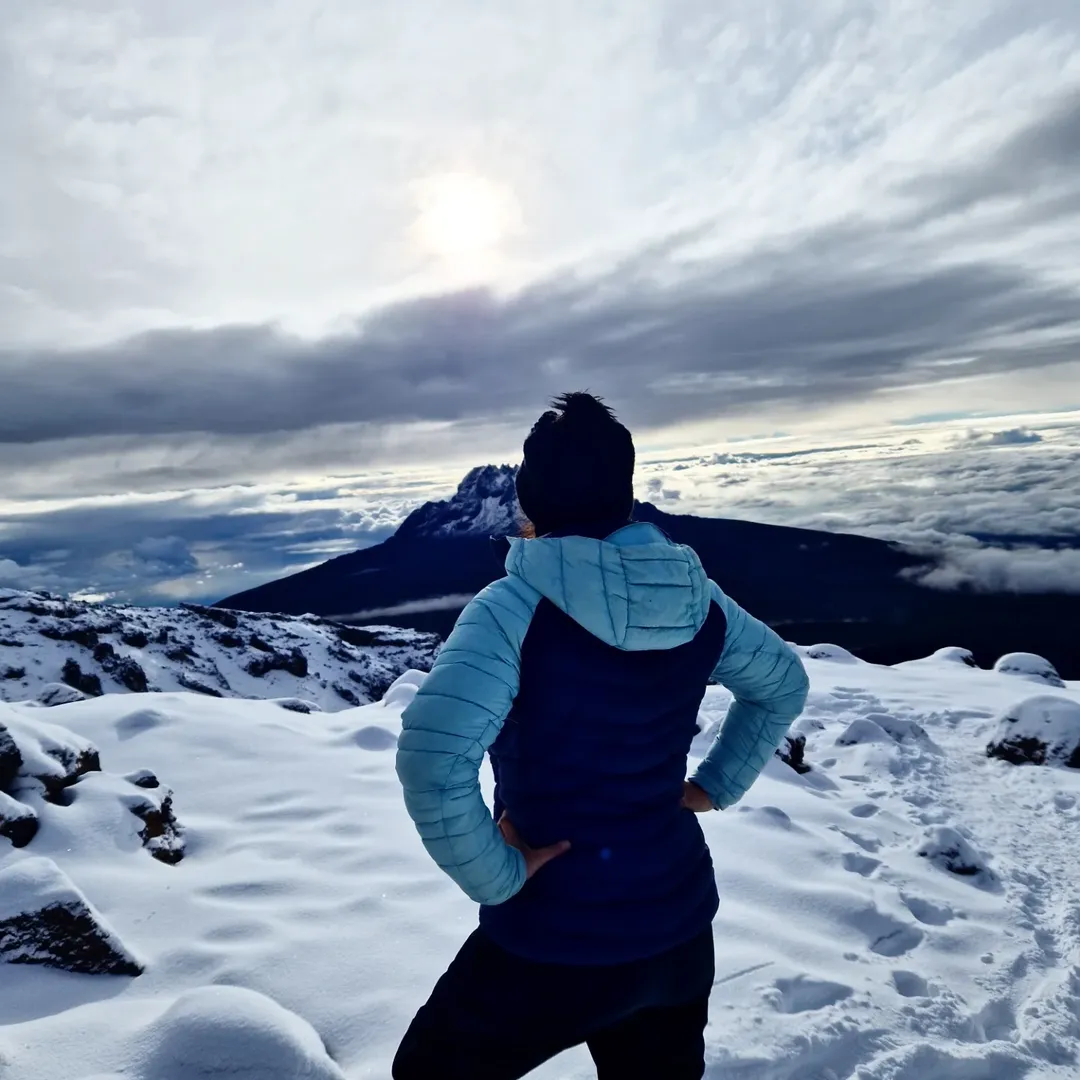
Embarking on a Kilimanjaro expedition is one of the most rewarding adventures you can undertake, but it requires careful planning and preparation. Unlike typical vacations, climbing Africa’s highest peak at 5,895 metres (19,340 feet) demands more than just enthusiasm. It’s a journey into the heart of nature’s extremes, where altitude, weather, and terrain challenge even seasoned hikers. At Kilisherpas Travel, we believe that success begins long before you set foot on the mountain. With expert guidance, proper planning, and the right gear, you can turn what seems like an insurmountable challenge into an unforgettable achievement. Here’s everything you need to know to prepare thoroughly for your Kilimanjaro adventure.
Choose the Right Operator for a Safe and Successful Ascent
Selecting a reputable climbing company is perhaps the most important decision you’ll make. Kilisherpas Travel stands out as a trusted leader in Kilimanjaro expeditions, with years of experience and a dedicated local team. Our operations are fully managed from Tanzania, with direct oversight of every climb – no subcontractors, no compromises.
Why climb with Kilisherpas Travel?
Local Presence: We operate from Kilimanjaro’s foothills, ensuring personalised attention and on-the-ground expertise.
Top-Quality Equipment: We supply gear from trusted brands like The North Face, Black Diamond, Red Fox, and Marmot, ensuring durability and safety.
Professional Crew: Over 100 guides, porters, chefs, and support staff committed to your safety and well-being.
Positive Feedback: Our customers’ reviews on TripAdvisor reflect our dedication to excellence and personalised service.
Considerations when choosing your trekking operator:
Reviews & Reputation: While reviews are helpful, verify the company’s safety record and treatment of staff.
Guide Qualifications: Ask about guide certifications and experience.
Porter Treatment: Ethical operators treat porters fairly, provide adequate wages, proper equipment, and good working conditions—ask for proof of these practices.
Payment Methods: Use secure payment options like bank transfers or credit cards. Avoid Western Union, which offers no protection.
Custom and group climbs: We offer flexible options, from scheduled group treks to private expeditions tailored to your preferences. Contact us for more details.
Prioritize Longer Itineraries for Better Success and Experience
Short vs. long treks:
Shorter routes (5-6 days): Faster but with higher risk of altitude sickness and lower success rates.
Longer routes (7-8 days or more): Provide better acclimatisation, higher success rates, and richer scenic experiences.
Why choose a longer itinerary?
Enhanced acclimatisation: The longer your stay, the better your body adapts to lower oxygen levels, significantly reducing the risk of altitude sickness.
More scenic opportunities: Spend extra days exploring stunning areas like Shira Plateau, Barranco Wall, and the Karanga Valley—perfect for photos and soaking in breathtaking views.
Increased safety: Proper acclimatisation and unhurried ascents make for a safer, more enjoyable climb.
Statistically, longer itineraries have higher success rates, so investing in a 7- or 8-day climb greatly improves your chances of reaching the summit comfortably.
When Is the Best Time to Climb Kilimanjaro?
Tanzania’s climate is characterised by two main seasons—dry and rainy—without distinct seasons due to its equatorial location.
Dry Seasons:
December to early March: Peak season, popular for holidays and clear weather.
June to October: Cooler, sunnier, with minimal rain, ideal for trekking.
Rainy Seasons:
Mid-March to late May: The “long rains", with persistent drizzle and muddy trails.
Late October to mid-December: The “short rains", usually less intense.
Practical tips:
Weather variability: Mountain weather is unpredictable; always carry waterproof gear.
Flexible gear: Pack rain ponchos, thermal layers, and versatile clothing.
Crowd management: Peak dry season is busy; consider shoulder months for fewer trekkers and equally favourable weather.
Choosing your timing thoughtfully ensures a smoother, safer, and more enjoyable expedition.
How to Train Effectively for Kilimanjaro
Start training 3-4 months before your climb. Focus on building stamina, cardiovascular fitness, and leg strength.
Recommended exercises include:
Running and cycling: Build endurance with 3- to 5-mile runs or bike rides every other day.
Swimming: Strengthens your heart and lungs.
Hiking: Long hikes on hilly terrain (6-10 miles) emulate mountain conditions and help break in boots.
Strength training: Focus on core, legs, and back with squats, lunges, planks, and step-ups.
Special tips:
Break in your gear: Use your hiking boots and clothing during training to ensure comfort.
Rest and recovery: Take two weeks before departure to taper your workouts and allow your body to recover.
Altitude adaptation: If possible, include hikes at higher elevations or consider altitude training programmes.
Remember: consistent training enhances your endurance, reduces fatigue, and prepares your body for the rigours of Kilimanjaro’s diverse climates.
Pack Smart: Essential Gear for Every Climbers
Kilimanjaro’s journey involves crossing multiple climate zones, from tropical rainforest to icy summit. Proper layering and durable gear are essential.
Key clothing items:
Moisture-wicking base layers
Insulating mid-layers (fleece or down jacket)
Waterproof outer shells (jacket and pants)
Warm hat, gloves, and neck gaiter
UV-protective sunglasses
Footwear:
Waterproof, insulated hiking boots with ankle support
Gaiters for snow and mud
Other essentials:
Headlamp with extra batteries
Trekking poles
Sleeping bag rated for cold temperatures
High-quality backpack with rain cover
Personal hygiene kit and medications
Layering technique:
Use multiple lightweight layers to regulate temperature effectively.
Avoid cotton clothing—opt for technical fabrics that wick sweat and dry quickly.
Pro tip: Always test your gear during training hikes and ensure everything fits well to prevent blisters, chafing, or discomfort on the mountain.
Important Health & Safety Tips
Vaccinations: No mandatory vaccines are required for Tanzania, but yellow fever certificates are necessary if coming from high-risk countries.
Medical preparations: Carry a personal first-aid kit, including altitude sickness medication, pain relievers, and rehydration salts.
Travel documents: Ensure your passport is valid for at least six months beyond your travel date, with blank pages for visas and stamps.
Insurance: Obtain comprehensive travel and medical insurance covering high-altitude trekking.
Final Thoughts: Your Path to Kilimanjaro’s Summit
Preparing for Kilimanjaro is a comprehensive process that combines physical training, strategic planning, and mental readiness. By choosing a reputable operator like Kilisherpas Travel, following longer itineraries, and packing the right gear, you significantly increase your chances of a successful and memorable climb.
Remember, this adventure isn’t just about reaching the summit; it’s about embracing the journey, appreciating nature’s majesty, and pushing your limits. Start your preparations early, stay consistent in training, and keep a positive mindset. Your unforgettable Kilimanjaro experience awaits!