Standing atop Uhuru Peak, the highest point of Mount Kilimanjaro and Africa’s tallest mountain, is a feat that captures the spirit of adventure and the quest for discovery. Known globally as the "Roof of Africa", Kilimanjaro’s summit boasts breathtaking views, rich history, and a sense of achievement that lasts a lifetime. Whether you're a seasoned climber or a passionate explorer, understanding the significance of Uhuru Peak enhances your journey. At Kilisherpas Travel, we specialise in guiding you safely to this iconic summit, turning your dream of conquering Africa’s highest peak into reality. In this comprehensive guide, you’ll learn about the fascinating facts, history, and practical tips to help you prepare for your ascent.
The Fascinating Facts About Uhuru Peak
The Height and Location Located at 5,895 meters (19,341 feet) above sea level, Uhuru Peak is the highest point on Kilimanjaro and in Africa. The official height was first measured in 1889 at approximately 6,010 meters, but modern satellite data corrected it to the current 5,895 meters. Interestingly, from the Earth's centre, Uhuru Peak is nearly 2 kilometers further into space than Mount Everest’s summit, making it the highest point on Earth’s surface relative to its centre.
Significance of the Signpost
At the summit, a distinctive sign marks the achievement: "Mount Kilimanjaro – Congratulations! You are now at Uhuru Peak, Tanzania, 5895 m/19341 ft AMSL, Africa’s Highest Point, the World's Highest Freestanding Mountain, One of the World’s Largest Volcanoes, and a World Heritage Site.” This inscription celebrates Kilimanjaro’s unique status as the tallest free-standing mountain and a UNESCO World Heritage site.
The Geology and Formation of Kilimanjaro’s Peaks
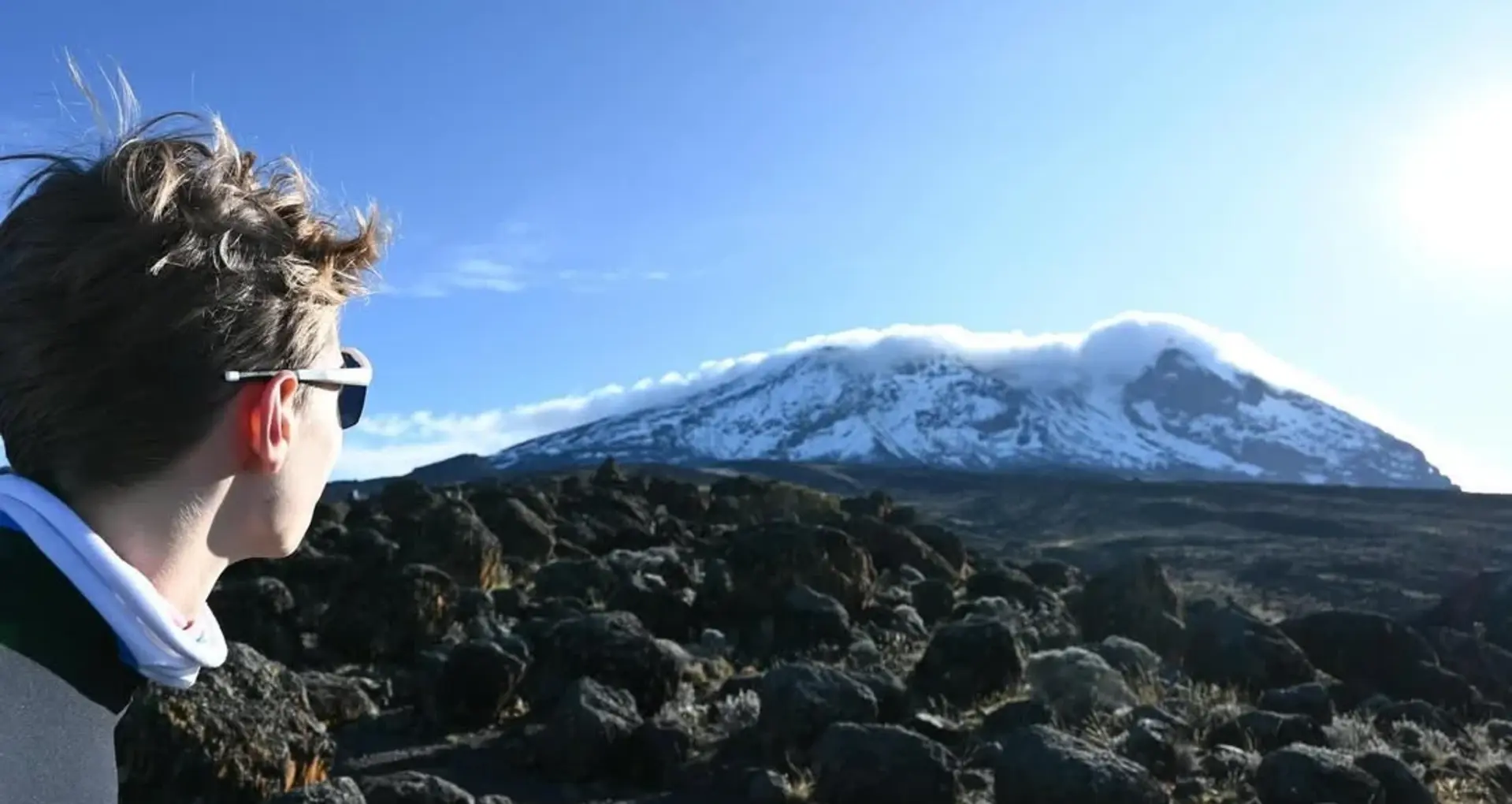
Mount Kilimanjaro is a dormant volcano composed of three main volcanic cones: Kibo, Mawenzi, and Shira.
Kibo: The highest and most prominent cone, home to Uhuru Peak. It last erupted hundreds of thousands of years ago and remains dormant.
Mawenzi: Known for its jagged, rugged appearance, it stands at 5,148 meters (16,889 feet) and is a symbol of the mountain’s volcanic activity.
Shira: The oldest cone, with a collapsed crater that forms the Shira Plateau, standing at 3,962 meters (13,000 feet).
Historical Geology: Over millions of years, volcanic activity shaped these cones. Shira formed first, followed by Mawenzi and then Kibo. The mountain’s volcanic origin makes it unique among the Seven Summits, as it’s not part of a mountain range but a standalone volcanic massif.
The History of Uhuru Peak’s Exploration
Early Explorers:
The first Europeans to document Kilimanjaro’s snow-capped summit were Johannes Rebmann and Johann Ludwig Krapf in 1848. Rebmann attempted an ascent in 1849 but only reached the snowline. For decades, explorers attempted to reach the summit, with notable figures like Carl Claus von der Decken and Joseph Thomson making early but unsuccessful attempts.
The First Successful Ascent
In 1889, German explorer Hans Meyer, along with Austrian guide Ludwig Purtscheller and local porters, achieved the first confirmed summit of Uhuru Peak via the Marangu Route. Meyer’s expedition measured the mountain at approximately 6,010 metres, later corrected to 5,895 metres. Meyer named the highest point after Kaiser Wilhelm II, reflecting the mountain’s colonial history.
Naming and Significance of “Uhuru”
In 1962, Tanzania gained independence, and the peak was renamed "Uhuru", meaning "freedom" in Swahili, symbolising the country’s liberation. The first successful expedition to plant the Uhuru Torch, a symbol of freedom and unity, took place in December 1962, further cementing its place in Tanzania’s national identity.
Climbing Uhuru Peak: Routes, Preparation, and Tips
Popular Routes to the Summit
Lemosho Route: Preferred for its scenic beauty and high success rate.
Marangu Route: The oldest route, known as the “Coca-Cola Route", offering hut accommodations.
Machame Route: Known as the "Whisky Route", offering a challenging and scenic ascent.
Rongai Route: Approaches from the north, less crowded.
Northern Circuit: The newest route with excellent acclimatisation opportunities.
What You Need to Conquer the Summit
Good physical fitness and mental determination
Proper acclimatization to prevent altitude sickness
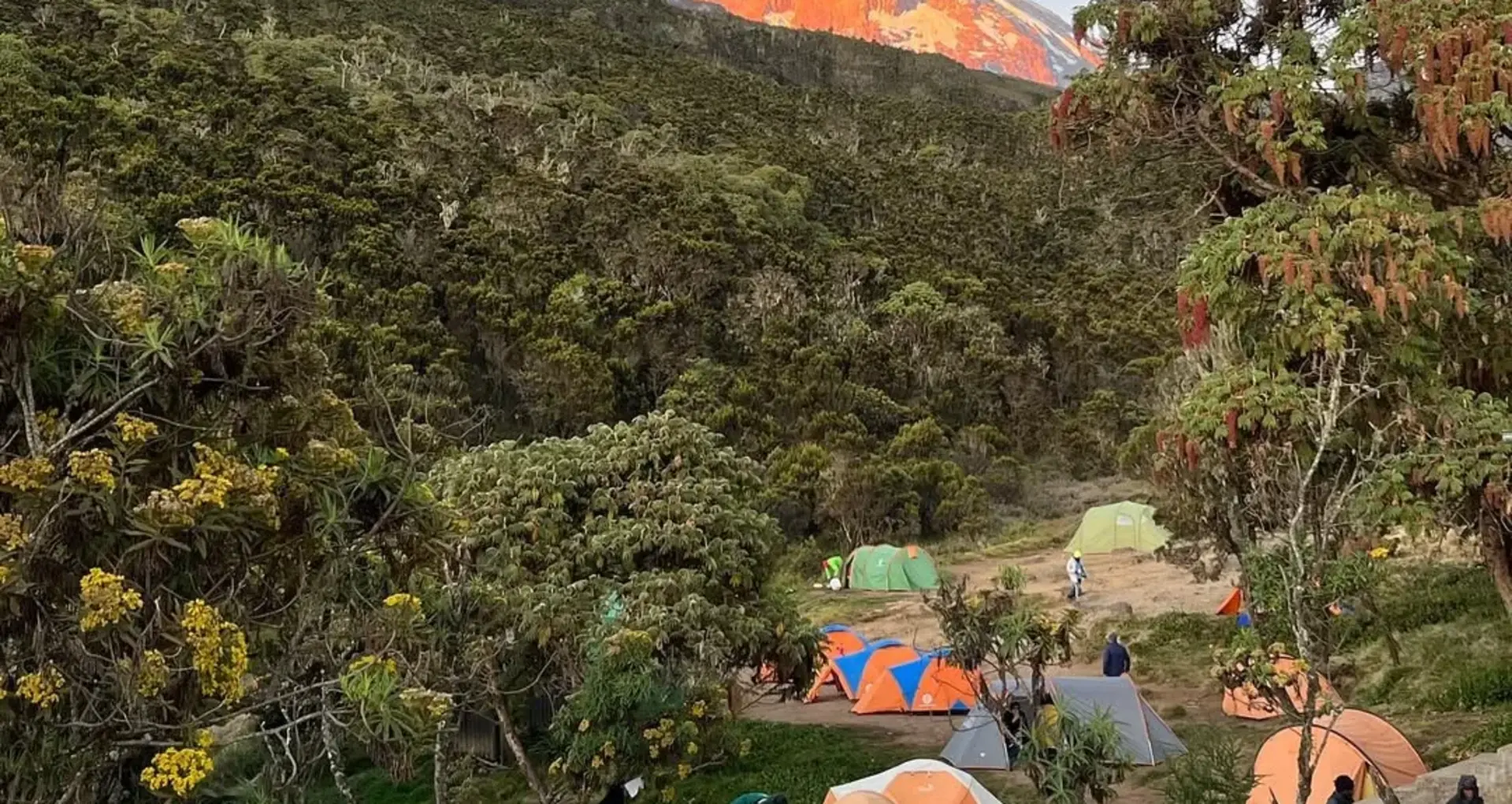
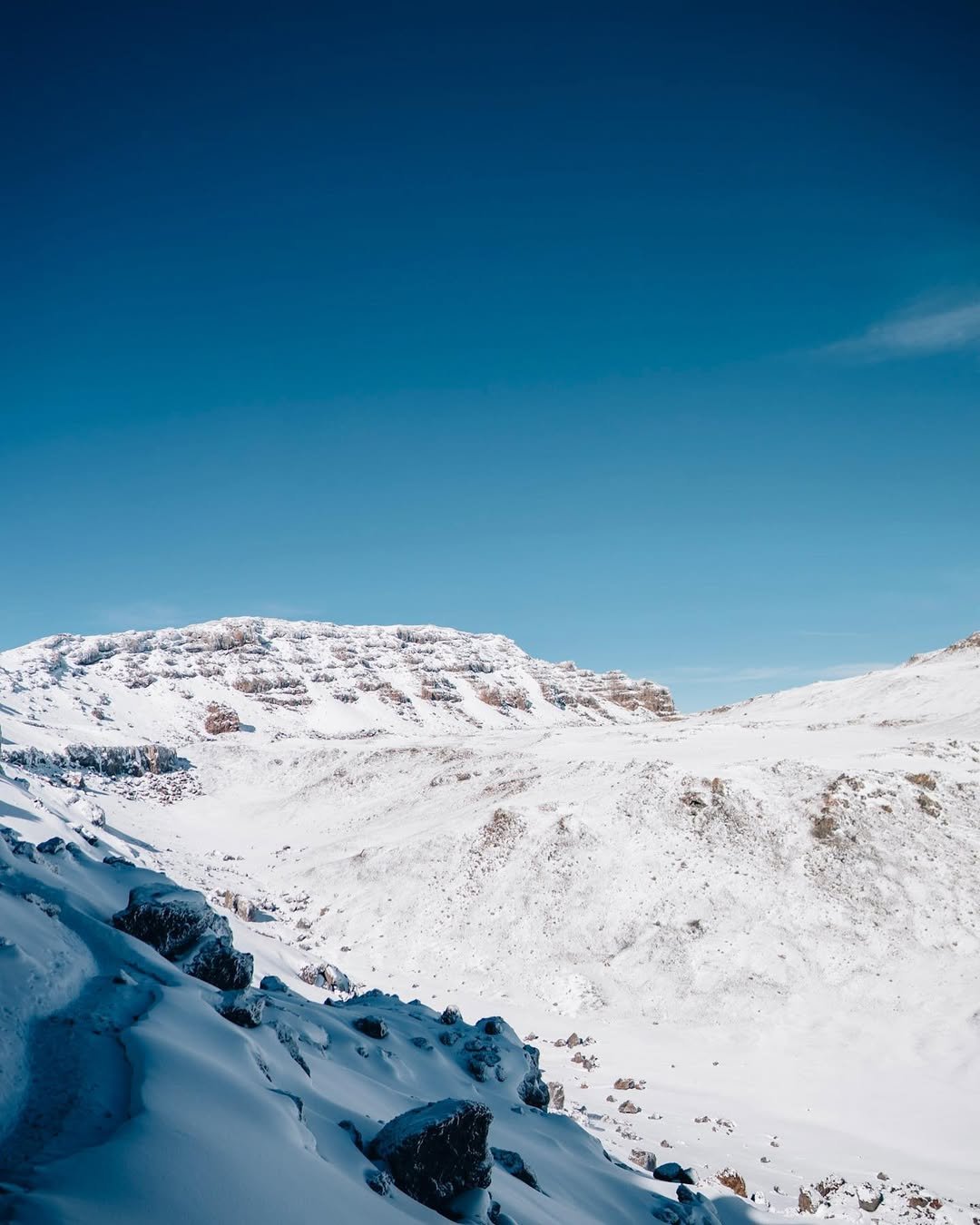
Suitable clothing for varied climatic zones—from tropical rainforest to arctic summit
Experience is not necessary, but guided climbs are mandatory by Tanzanian law for safety and legal reasons
Climbing Tips & Safety
Spend 5-7 days on the mountain to optimise acclimatisation
Follow your guides’ instructions carefully
Stay hydrated and pace yourself (pole pole).
Be prepared for extreme weather, including snow, ice, and sudden temperature drops.
Choose a reputable tour operator like Kilisherpas Travel with experienced guides and safety protocols
The Experience of Reaching Uhuru Peak
Reaching Uhuru Peak is not just a physical achievement but an emotional milestone. Standing at the summit, you’ll witness panoramic views of glaciers, volcanic craters, and the vast African landscape. The sense of accomplishment and the stories you’ll carry home make every step worth it.
Celebrating Your Success
Most climbers receive a certificate of achievement, and some even take photos at the iconic signpost to commemorate their success. The journey also offers a unique opportunity to experience Kilimanjaro’s diverse climatic zones: the lush rainforest, moorland, alpine desert, and icy summit.
Why Climb Kilimanjaro with Kilisherpas Travel?
With over a decade of experience in organising safe, successful expeditions, Kilisherpas Travel is your trusted partner for conquering Africa’s highest peak. We offer personalised route planning, expert guides, comprehensive gear advice, and full logistical support from airport pickup to celebration at the summit.
Our team prioritises your safety, comfort, and unforgettable experience. We ensure that every detail, from acclimatisation to accommodations, is meticulously managed so you can focus on the thrill of reaching Uhuru Peak.
Conclusion
Climbing Uhuru Peak is a once-in-a-lifetime adventure that embodies exploration, resilience, and achievement. With proper preparation, a reputable guide, and a passion for adventure, you can safely conquer Africa’s roof. Ready to take the challenge? Contact Kilisherpas Travel today and let us help you plan your unforgettable ascent to Uhuru Peak.