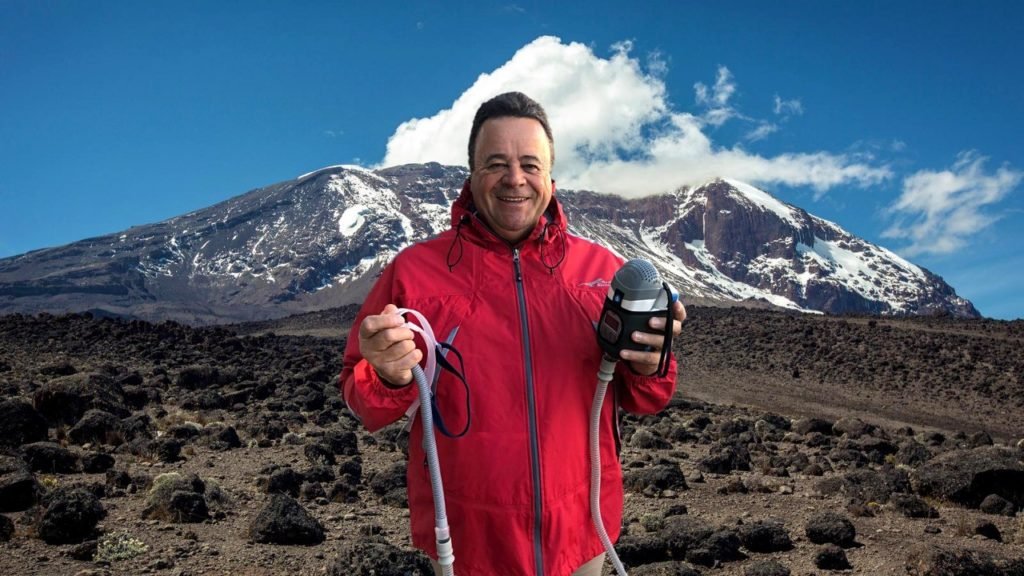
Climbing Mount Kilimanjaro is a remarkable feat that attracts adventurers from around the world. For individuals diagnosed with obstructive sleep apnoea (OSA), concerns about high-altitude breathing difficulties can add an extra layer of complexity. The good news is that with proper preparation and guidance, using a CPAP (Continuous Positive Airway Pressure) machine on Kilimanjaro is both safe and effective. At Kilisherpas Travel, we understand the unique needs of climbers managing sleep apnoea, and we’re here to share expert insights on how to navigate high-altitude sleep challenges confidently. This article covers essential information about using CPAP devices at altitude, how to prepare, and practical tips for staying comfortable on your ascent.
Can You Use a CPAP Machine During a Kilimanjaro Climb?
Absolutely. Climbers diagnosed with obstructive sleep apnoea can safely incorporate their CPAP machines into their Kilimanjaro expeditions. In some cases, doctors even recommend using a CPAP for those diagnosed with sleep apnoea but who do not typically use the device at home. However, it’s critical to consult your healthcare provider beforehand for tailored advice, including potential adjustments to your CPAP settings to accommodate the effects of high altitude.
A CPAP device works by delivering a steady stream of pressurised air, keeping your upper airway open and preventing collapse during sleep. This reduces apnoeas (breathing pauses) and snoring, ensuring restorative sleep despite the challenging conditions.
Sleep Apnoea and Altitude: What Changes Occur?
As you ascend Kilimanjaro’s summit at 5,895 meters (19,341 feet), your body experiences significant changes in breathing patterns due to thinner air. At higher altitudes, each breath delivers less oxygen, intensifying breathing difficulties, especially for those with sleep apnoea.
High-altitude effects on sleep:
From 1,800 meters (5,900 feet): Even healthy individuals develop periodic breathing—alternating slow, shallow breaths with rapid, deep ones, often interrupted by pauses.
From 2,500 meters (8,200 feet): These breathing irregularities become more pronounced, increasing the risk of altitude sickness.
Above 4,200 meters (13,800 feet): The frequency of apnoeas and hypopnoeas (shallow breathing) doubles, compromising sleep quality.
For climbers with obstructive sleep apnoea, these changes can lead to fragmented sleep, shortness of breath, exhaustion, irritability, and headaches. While most healthy trekkers adapt over time, those with sleep disorders require additional support to maintain proper respiration during sleep.
Managing Sleep Apnea with a CPAP on Kilimanjaro
Expert recommendations from the Journal of the American Medical Association advise that anyone who uses a CPAP at home should bring it along when climbing Kilimanjaro. For those newly diagnosed or considering therapy, consulting a pulmonologist or sleep specialist before the trip is essential. They can assess whether your device’s settings need adjustment for altitude.
Adjusting CPAP settings:
Most auto-adjusting CPAP machines manage well up to 2,400 meters (7,900 feet).
Above this, manual calibration may be necessary unless your device automatically compensates for pressure changes.
A doctor can determine the optimal pressure settings to ensure effective therapy at each altitude.
Important: Without proper altitude compensation, CPAP devices may deliver insufficient airflow, worsening apnoea symptoms and reducing oxygen intake.
How to Charge and Maintain Your CPAP Machine in the Mountains
Powering your CPAP in remote locations can be challenging. Here are practical solutions:
Removable batteries: Bring multiple sets (2-4) for a 7-8 day climb. Keep batteries warm—store them inside your sleeping bag at night to prevent capacity loss in cold temperatures.
Battery recharging services: At Kilisherpas Travel, we can handle depleted batteries, recharging them at our base and delivering fresh ones to your next camp—additional fees apply for this convenience.
Generators: For non-removable battery models, renting a generator is an option. We offer generator rentals, including permits and fuel, for an additional USD 1,000, ensuring reliable power supply throughout your expedition.
Pro tip: Proper power management and planning are vital. Always test your equipment before the trip, and pack extra batteries to avoid disruptions.
Preventing Sleep Apnea Issues at High Altitude
Medications like Diamox (acetazolamide) are commonly recommended by specialists to mitigate altitude sickness symptoms, including those related to sleep apnoea. The American Medical Association endorses its use, but a medical consultation is crucial before taking any medication.
How Diamox helps:
It stimulates breathing and enhances gas exchange in the lungs.
It can reduce the severity of apnoea episodes and improve sleep quality at altitude.
Tip: Always discuss medication plans with your healthcare provider to tailor the dosage and ensure safety.
Final Thoughts: Your High-Altitude Sleep Strategy
If you rely on a CPAP machine, don’t leave it behind. Proper use of your device is key to restful sleep, better acclimatisation, and increasing your chance of reaching Kilimanjaro’s summit. With advanced planning—such as altitude-specific device adjustments, reliable power sources, and medical guidance—you can enjoy a safe, comfortable, and successful climb.
Ready to conquer Africa’s highest peak? Contact Kilisherpas Travel today for personalised advice, equipment options, and expert support to make your Kilimanjaro adventure a reality.