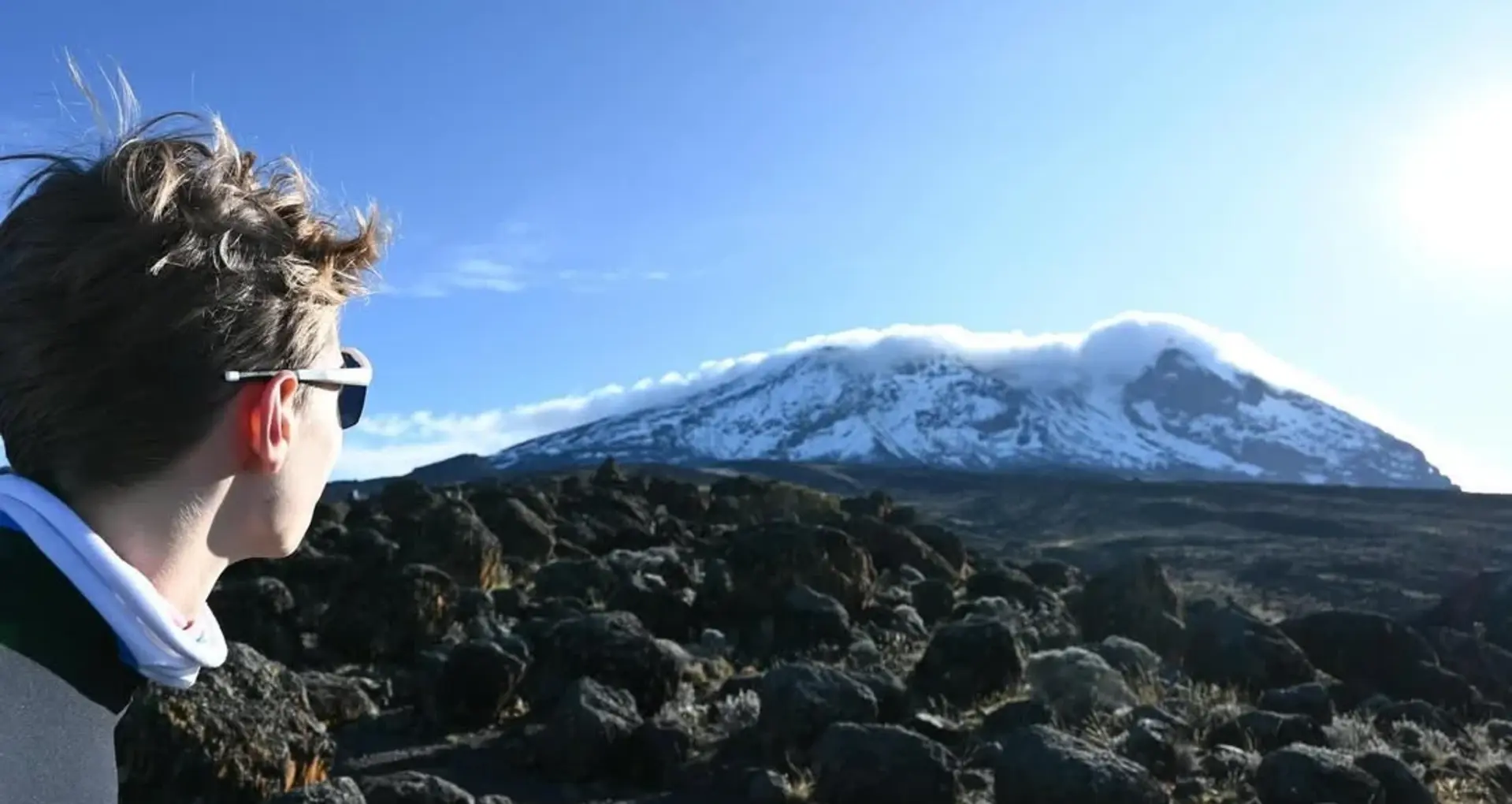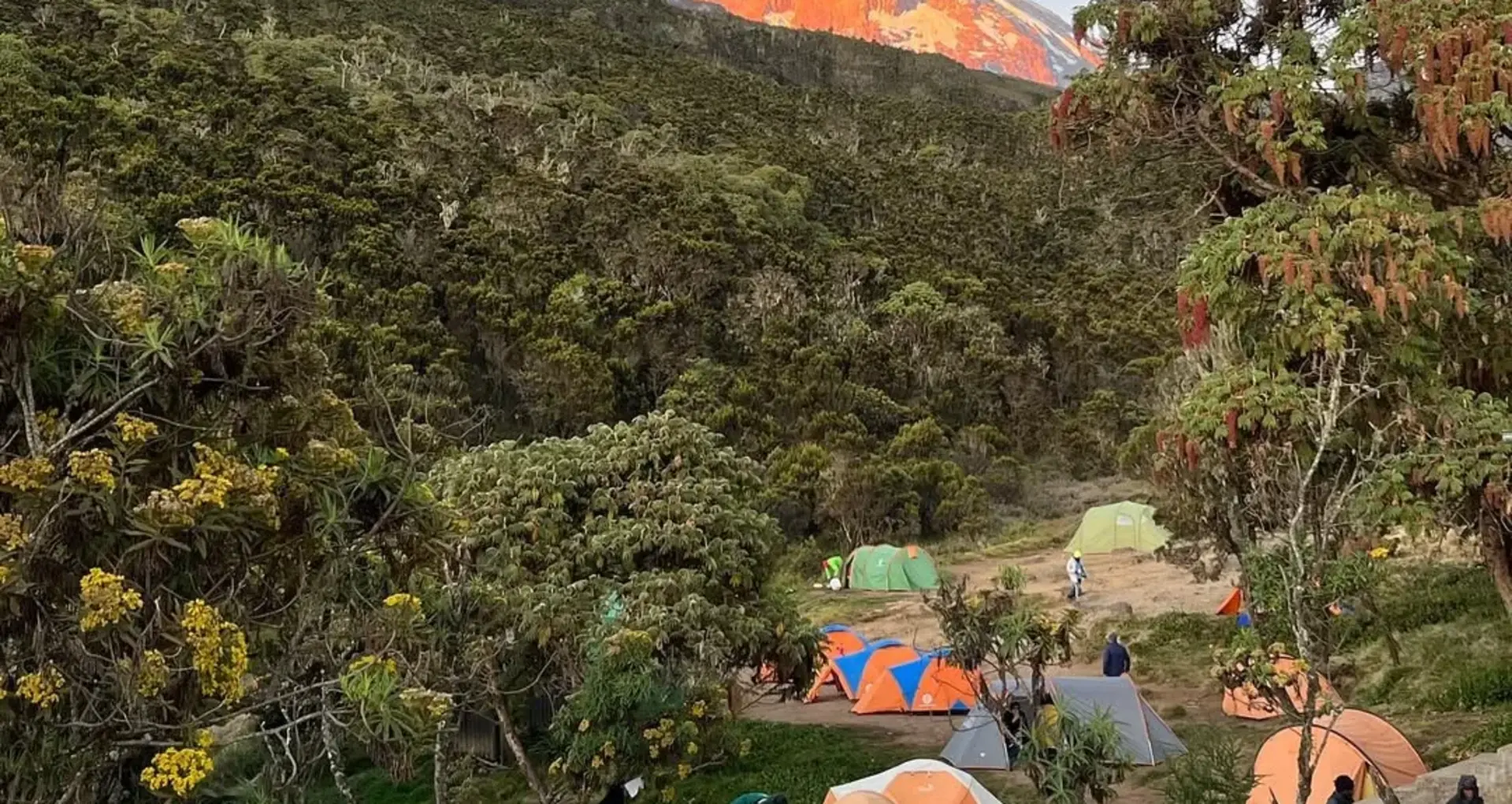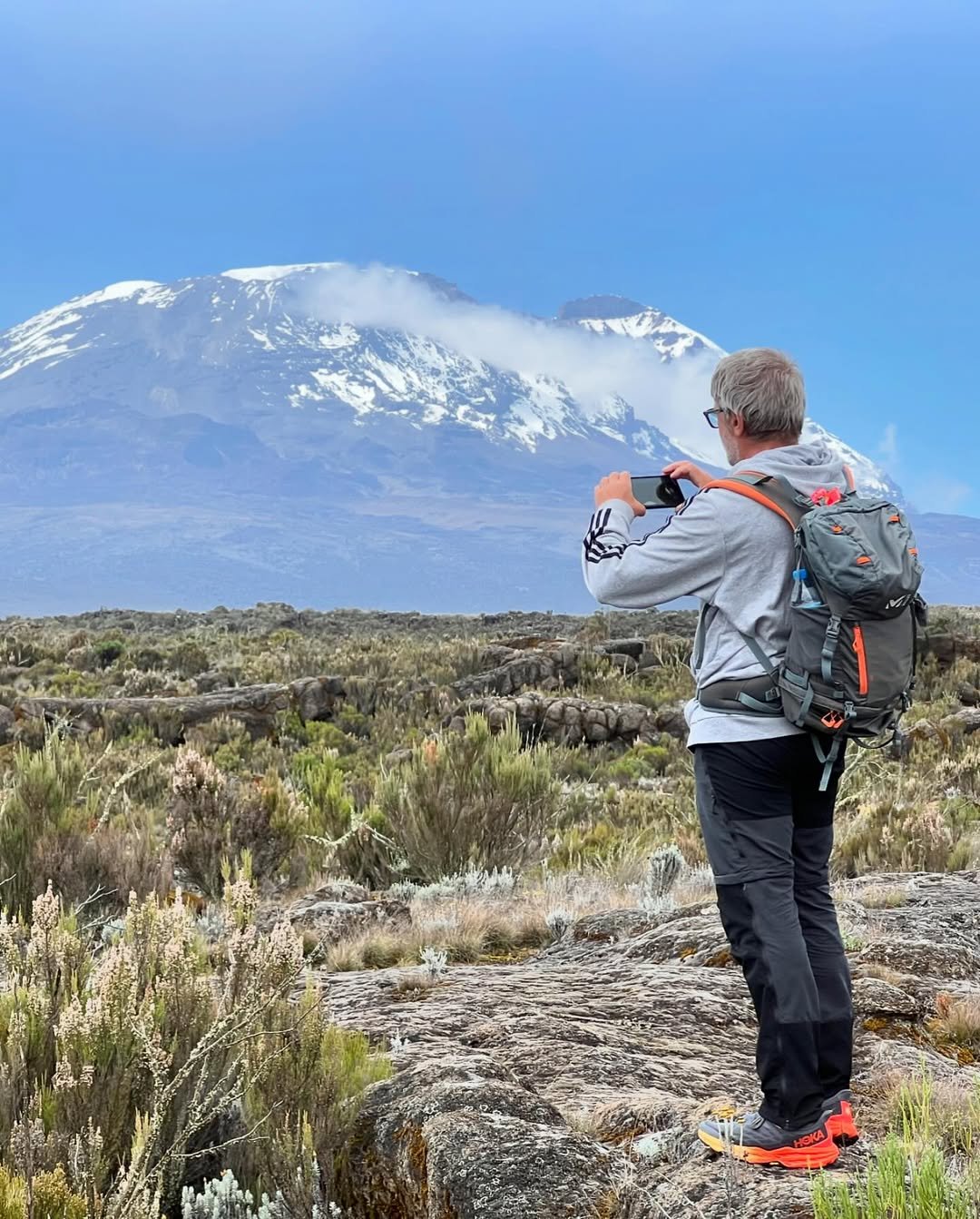
Climbing Mount Kilimanjaro is a bucket-list adventure for many travellers, but choosing the right route can be a daunting task. With seven official routes approved by the Kilimanjaro National Park Authority, each offering unique scenery, difficulty levels, and acclimatisation profiles, selecting the best path depends on your experience, fitness, and personal preferences. At Kilisherpas Travel, we understand that every climber’s journey is different, and we’re here to guide you in making an informed decision. In this comprehensive guide, we’ll explore each route’s characteristics, advantages, and key considerations to help you plan a successful and memorable ascent.
Understanding Acclimatization Profiles
The Importance of Acclimatisation Acclimatisation—the process your body adapts to high altitude—is crucial to reaching Uhuru Peak successfully. Each route varies significantly in its acclimatisation profile, influenced by factors such as camp locations, trail steepness, and daily trekking distances.
Success Rates & Duration
Routes that take seven days or more generally offer better success rates because they allow more gradual altitude gain. For example, a group on a seven-day Lemosho trek has a higher chance of reaching the summit than those on a shorter six-day itinerary. Studies show that acclimatisation has a more substantial impact on success than age or overall fitness.
Optimal Routes for Acclimatization
The best routes for acclimatisation are the 7- and 8-day variations of Lemosho, Machame, and Rongai. For those with limited time, the 6-day Lemosho or Marangu routes are options, but they come with increased risks of altitude sickness, especially on the shorter Machame variation.
Which Route Is Best for Your Experience Level?
Beginners & Novice Climbers
Lemosho (7 or 8 days): Highly recommended for beginners due to its scenic landscapes and excellent acclimatisation profile.
Machame (7 days): Also suitable if you’re prepared for a challenging but rewarding trek.
Intermediate & Experienced Trekkers
Rongai (7 days): Offers a quieter, less crowded experience with good acclimatisation.
Northern Circuit: A longer, scenic route with superb acclimatisation, ideal for seasoned climbers willing to spend extra days on the mountain.
Advanced & Technical Climbers
While Kilimanjaro is technically a trekking peak, experienced climbers may opt for routes that involve technical sections or more challenging terrain, but these are less common and generally require specialised equipment and skills.
Scenic Highlights of Kilimanjaro Routes
Lemosho Route
Begins on the Shira Plateau, offering panoramic views of the caldera and rich flora, including endemic plants like Dendrosenecio kilimanjari.
Crosses diverse landscapes, including rainforest, moorlands, and alpine deserts, culminating in the summit.
Machame Route
Starts in a lush rainforest teeming with wildlife such as blue monkeys and colobus monkeys.
Climbers ascend through varied climate zones, challenging themselves with notable landmarks like Barranco Wall.
Rongai Route
Approaches from the quieter northern side, passing through untouched wilderness and coniferous forests.
Ideal for those seeking solitude and scenic beauty away from crowds.
Northern Circuit
The longest route, providing a comprehensive experience of Kilimanjaro’s diverse ecosystems and stunning vistas, with fewer climbers.
Shira Plateau & Barranco Wall
Key landmarks offering breathtaking views and a sense of adventure—The Barranco Wall is a technical yet manageable section for many climbers, while the Shira Plateau presents striking panoramas and endemic flora.
Crowd Levels & Seasonal Considerations
Crowd Preferences
Marangu: The busiest route, ideal for those who prefer a more social atmosphere.
Machame: Slightly less crowded, popular among adventurous hikers.
Lemosho & Northern Circuit: More remote, offering solitude and pristine scenery, especially during off-peak seasons.
Best Time to Climb
Dry Seasons: Late December to early March and mid-June to early October are optimal for clear weather and stable conditions.
Rainy Seasons: Mid-March to early June and late October to November see more rain, but routes like Rongai and Marangu may be more manageable due to hut accommodations.
Accommodation & Comfort Options
Camping vs. Huts
Most Routes: Camp in tents carried and pitched by porters, providing flexibility and closer connection to nature.
Marangu Route: Unique for its hut accommodations, which offer shelter during rainy weather but limit personalisation and privacy.
Comfort Enhancements
At Kilisherpas Travel, we prioritise your comfort with insulated tents, nutritious meals, private toilets, and cosy sleeping bags. We also offer optional upgrades like private tents and extra comfort amenities to enhance your trekking experience.
How to Choose the Right Kilimanjaro Route?
Selecting the ideal route hinges on your personal preferences, physical condition, and acclimatisation needs. Here are our recommendations:
For Scenic & Less Crowded Adventures:
Lemosho (8 or 7 days)
Rongai (7 days)
Northern Circuit (longer duration for maximum acclimatization)
For a Balanced Experience:
Machame (7 days) offers great scenery but requires good preparation.
Avoid the 6-day Machame variation unless you are highly acclimatised, as it has a lower success rate.
For Rainy Season Treks:
Marangu (6 days): huts provide shelter from rain and are less crowded during the off-peak season.
Tip: Always discuss your experience, health, and goals with your expedition organiser. At Kilisherpas Travel, our experts are ready to help you choose the best route based on your needs.
Conclusion
There is no one-size-fits-all answer to which Kilimanjaro route is best. Your choice should reflect your fitness, experience, scenic interests, and preferred trekking style. At Kilisherpas Travel, we specialise in tailoring expeditions to ensure you enjoy a safe, scenic, and successful climb. Ready to start your adventure? Contact us today to plan your unforgettable ascent to the Roof of Africa.