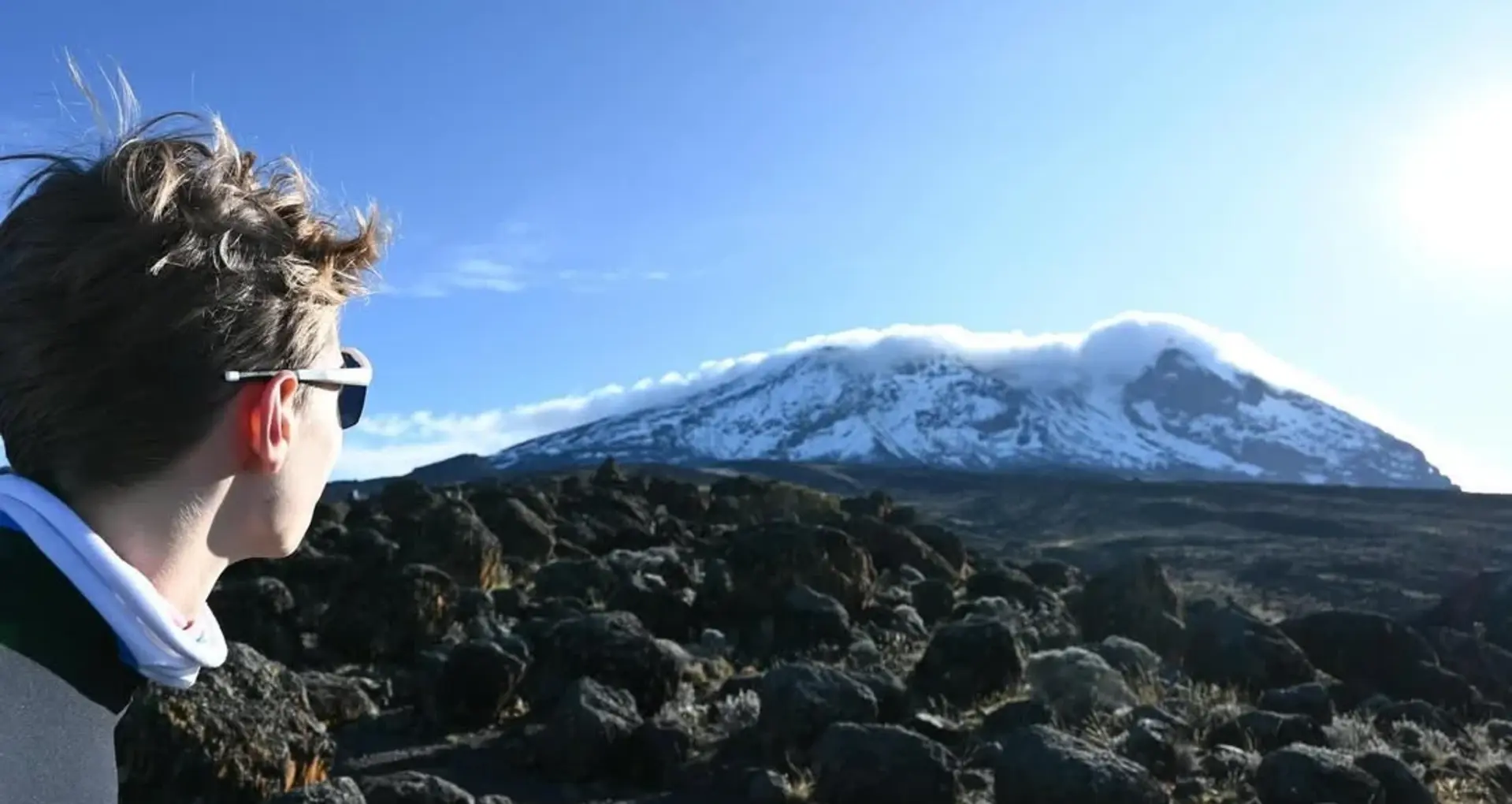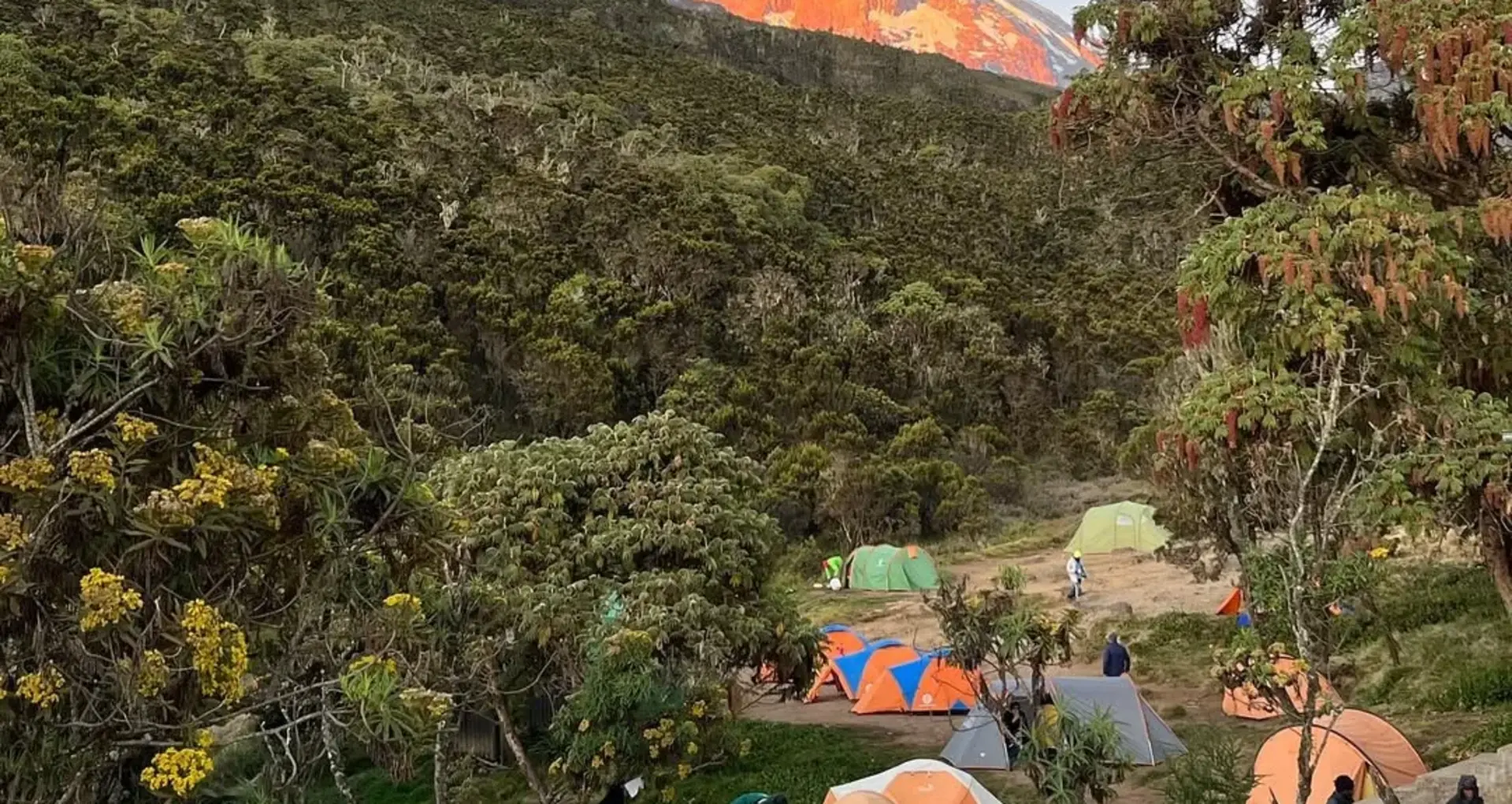
Many climbers embarking on their Kilimanjaro adventure are eager not only to reach Africa’s highest summit but also to experience the rich and diverse wildlife of Tanzania. While the mountain’s lush forests and protected national parks are renowned for their incredible fauna, even during your trek up Kilimanjaro, you have a good chance to encounter some fascinating animals. At Kilisherpas Travel, we believe that spotting wildlife adds a unique dimension to your mountain journey, blending adventure with nature’s wonder.
In this guide, explore the top animals you might see on Kilimanjaro, from the forested base to the high-altitude zones, and learn how to maximise your wildlife sightings during your climb.
Where Do You See Kilimanjaro’s Wildlife?
The greatest variety of animals is found at the mountain’s lower elevations, where lush rainforests and water sources create thriving habitats. As you ascend higher, wildlife becomes sparser due to the harsher climate and limited food supply. However, the animals that do inhabit these higher regions are truly remarkable and often elusive.
Important note: All animals spotted on Kilimanjaro are wild and roam freely in the national parks. Rest assured, your guided trek is designed to keep you safe, no dangerous predators like lions or tigers are typically encountered during climbing expeditions.
Top Animals You Can See on Kilimanjaro
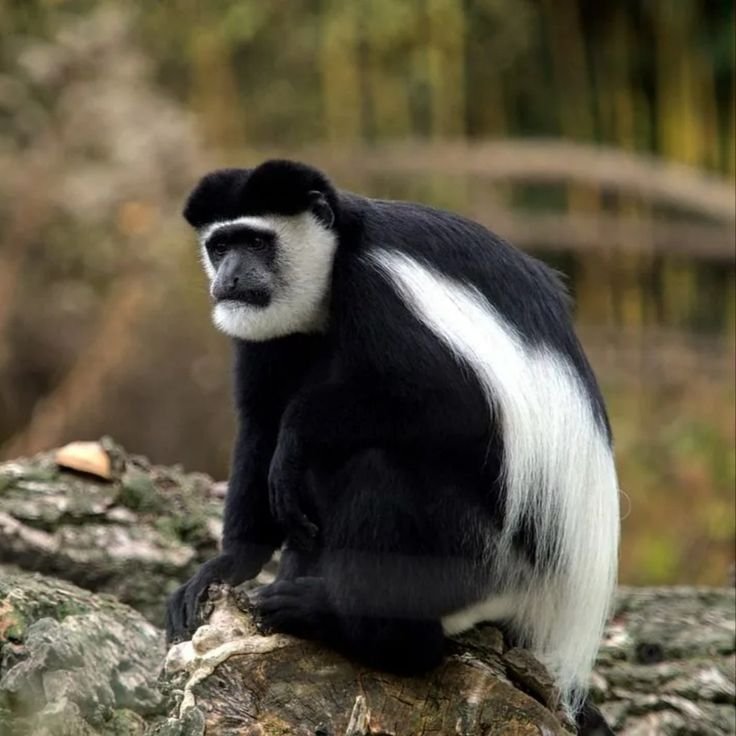
1. The Colobus Monkey
Native to Tanzania, the colobus monkey is a striking primate known for its long, flowing black-and-white tail and loud chattering. These highly social monkeys live in family groups high in the trees, often seen along forested routes. They are an endangered species, so take photos respectfully and avoid disturbing their natural habitat.
2. Serval Cat
While big cats like lions and leopards draw much attention, the elusive serval cat is a lesser-known but fascinating predator. This slender feline, resembling a miniature cheetah, is active during the day and night. Its long legs and spotted coat help it hunt small rodents, birds, and reptiles. If you’re quiet and alert, you might catch a glimpse of this solitary hunter during your climb.
3. Aardvark
Unique to Sub-Saharan Africa, the aardvark looks like a pig with a long, sticky nose. Despite its unassuming appearance, it’s related to elephants and is nocturnal, emerging at night to feed on ants and termites. Seeing an aardvark in the wild is a rare treat, especially during nighttime wildlife excursions.
4. Tree Hyrax
Often heard before seen, the tiny tree hyrax is a nocturnal mammal that inhabits the forested areas of Kilimanjaro. Its distinctive calls—ranging from cackles to shrieks—mark its territory. These small creatures spend their days hidden in tree branches and are most active after sunset, making night walks an excellent opportunity for sightings.
5. Duiker
The duiker is a small, agile antelope that escapes predators with swift leaps into dense bush. Although more common in savannahs, the slopes of Kilimanjaro are home to endemic species like Abbott’s Duiker, which is critically endangered. Spotting this shy antelope requires patience and a keen eye during early morning or late afternoon hikes.
6. White-Tailed Mongoose
Resembling a weasel, the white-tailed mongoose is known for its fluffy white tail and brown body. It’s nocturnal and skilled at hunting small animals and insects. Visitors staying at Kilisherpas Travel’s Aishi Machame Hotel often have the chance to see these fascinating creatures around the grounds.
7. Marsh Mongoose
This aquatic mongoose prefers swampy or marshy areas, where it hunts for birds and fish. Its clever hunting technique involves pretending to sunbathe with its belly exposed, attracting prey close enough for a quick strike. Look for marsh mongooses along the trail sections that pass through wetlands.
8. White-Necked Raven
High in the mountains, the white-necked raven is a striking bird with a black body and a distinctive white collar around its neck. These intelligent scavengers are often seen at high-altitude campsites, scavenging for leftovers and snacks left by climbers. They are clever and adaptable, so don’t leave food unattended!
9. Bush Baby (Galagos)
The adorable bush baby is a small, nocturnal primate famous for its large eyes and high-pitched calls, which sound like a crying baby. Found exclusively in Kilimanjaro’s forests, they are most active after dark. If you stay at the Aishi Machame Hotel or camp in the forest, you might catch a glimpse of these incredibly cute creatures.
Why Wildlife Encounters Matter on Kilimanjaro
While the primary goal of most climbers is to reach the summit, wildlife sightings add an enriching dimension to the experience. Observing these animals in their natural habitat reminds us of the mountain’s ecological significance and the importance of conservation efforts. Responsible tourism ensures that Kilimanjaro’s unique fauna remains protected for future generations.
Tips for Spotting Kilimanjaro’s Wildlife
Travel with experienced guides: They know where and when animals are most likely to be seen.
Be patient and quiet: Animals are often shy and easily startled.
Travel early or at dusk: Many species are most active during cooler times of the day or night.
Respect wildlife: Keep a safe distance and avoid disturbing animals or their habitats.
Conclusion
Kilimanjaro’s diverse wildlife offers a captivating complement to its awe-inspiring landscapes. From the playful colobus monkeys in the forests to the elusive aardvarks in the dark, the mountain is teeming with extraordinary creatures. At Kilisherpas Travel, we believe that experiencing Kilimanjaro’s wildlife makes your adventure even more memorable. Ready to combine a challenging climb with a wildlife safari? Contact us today to start planning your unforgettable Kilimanjaro expedition.