Zanzibar is far more than beautiful beaches and spice plantations. This small archipelago off the coast of East Africa has played a pivotal role in regional history for over a thousand years. From ancient trade routes to the horrors of the slave trade, from Omani sultans to British colonial rule, and finally to the revolutionary birth of modern Tanzania, Zanzibar’s story is one of resilience, cultural fusion, and the fight for freedom.
Today, as a semi-autonomous region of Tanzania, Zanzibar stands as a living museum of Swahili civilisation and a powerful symbol of African liberation.
Origins and Early Settlers
The name “Zanzibar” comes from the Persian words "Zang" (black) and "Bar" (coast), meaning “Black Coast". Long before Arab traders arrived, Bantu-speaking peoples settled the islands as early as the 6th century. They lived primarily by fishing, farming, and trading with the African mainland.
By the 8th to 10th centuries, Zanzibar had become an important stop on the Indian Ocean trade network. Merchants from Persia, Arabia, and India exchanged goods such as ivory, gold, spices, and enslaved people. Over time, these interactions gave birth to the unique Swahili culture — a rich blend of African, Arab, and Persian influences in language, architecture, cuisine, and religion.
Arab and Afro-Persian Influence
From the 10th century onwards, Persian settlers (known as Shirazi) and Arab traders from Oman established strong communities on the islands. They intermarried with local Bantu populations, creating the Afro-Persian Shirazi identity that still defines much of Zanzibar’s culture today.
Islam became the dominant religion, and Zanzibar grew into a prosperous trading hub. Cloves, cinnamon, nutmeg, and other spices were cultivated on large plantations, while the island served as a major export point for ivory and enslaved Africans destined for Arabia, Persia, and India.
Portuguese Rule (1498–1698)
In 1498, the Portuguese explorer Vasco da Gama landed in Zanzibar, marking the beginning of European involvement in the region. The Portuguese established trading posts and attempted to control the spice and slave trade. However, their rule was largely limited to coastal forts, and local sultans retained significant influence.
In 1698, Omani forces successfully expelled the Portuguese after a long struggle, ending over 200 years of Portuguese presence and restoring Arab dominance in the region.
The Independent Zanzibar Sultanate and the Slave Trade
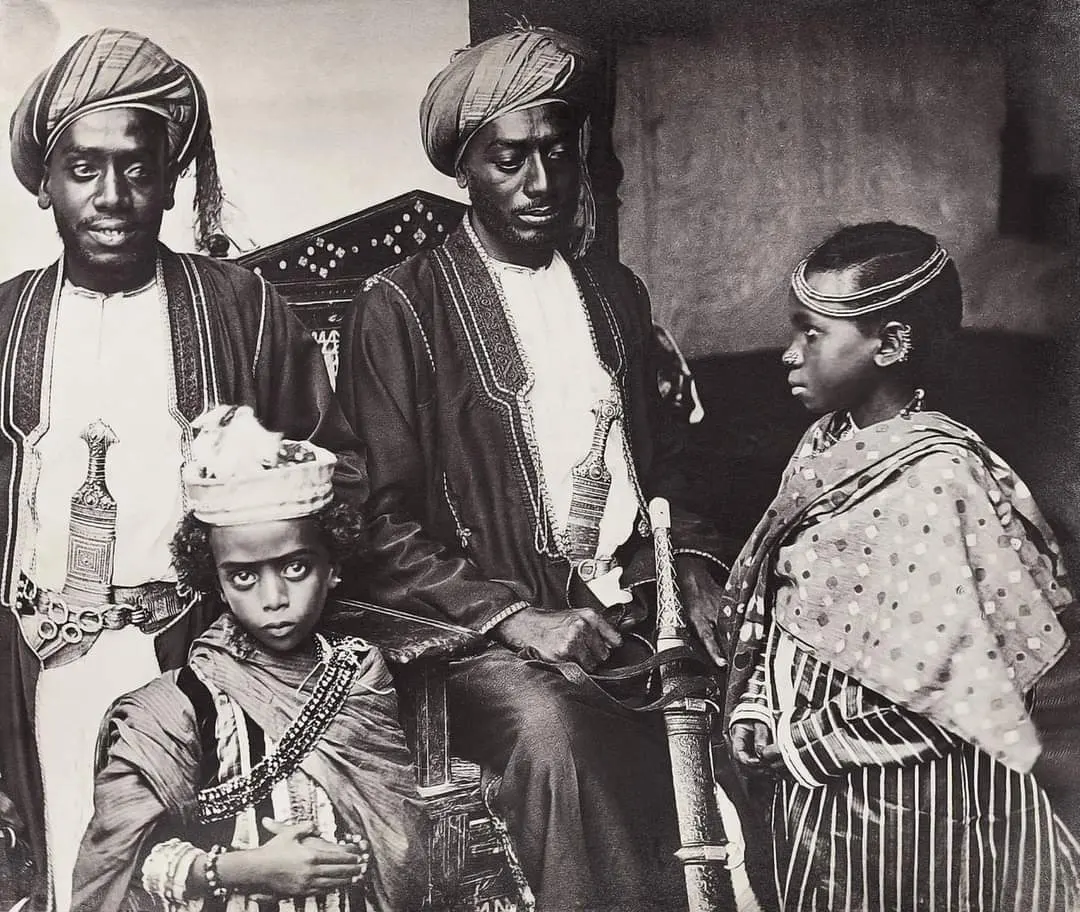
In 1856, Sultan Majid bin Said declared Zanzibar independent from Oman and established the Zanzibar Sultanate. Under Omani rule, the island reached the height of its prosperity as the capital of a vast trading empire.
Zanzibar became one of the largest slave markets in East Africa. Thousands of enslaved Africans were brought from the mainland and shipped across the Indian Ocean. At the same time, the island’s spice plantations — especially cloves — generated enormous wealth, largely built on forced labour.
British Protectorate (1890–1963)
In 1890, Zanzibar became a British protectorate. The British gradually abolished the official slave trade and limited the power of the sultan.
One of the most remarkable events in Zanzibar’s history occurred in 1896 — the Anglo-Zanzibar War. It remains the shortest war in recorded history, lasting only 38 minutes. Sultan Khalid bin Barghash refused to step down after the death of the previous sultan, leading the British to bombard the palace. Khalid was quickly defeated and fled into exile.
British rule continued until December 1963, when Zanzibar gained independence as a constitutional monarchy under Sultan Jamshid bin Abdullah.
The Zanzibar Revolution (1964)
On January 12, 1964 — just one month after independence — a violent revolution erupted. The African majority, led by the Afro-Shirazi Party, overthrew the Arab-led sultanate. The revolution was brutal: thousands were killed, and many Arabs and Indians fled the islands.
The People’s Republic of Zanzibar was declared, with Abeid Amani Karume as its first president. The revolution ended centuries of Arab political dominance and remains a deeply significant event in East African history. January 12 is still celebrated annually in Tanzania as Revolution Day.
Union with Tanganyika and the Birth of Tanzania
On April 26, 1964, Zanzibar united with Tanganyika to form the United Republic of Tanganyika and Zanzibar. Later that year, on October 29, the name was officially changed to Tanzania — combining “Tan” from Tanganyika and “Zan” from Zanzibar.
Today, Zanzibar remains semi-autonomous. It has its own president, House of Representatives, and legal system, while foreign affairs, defence, and monetary policy are managed by the Union government in Dodoma.
Zanzibar Today
Modern Zanzibar is a vibrant tourist destination known for:
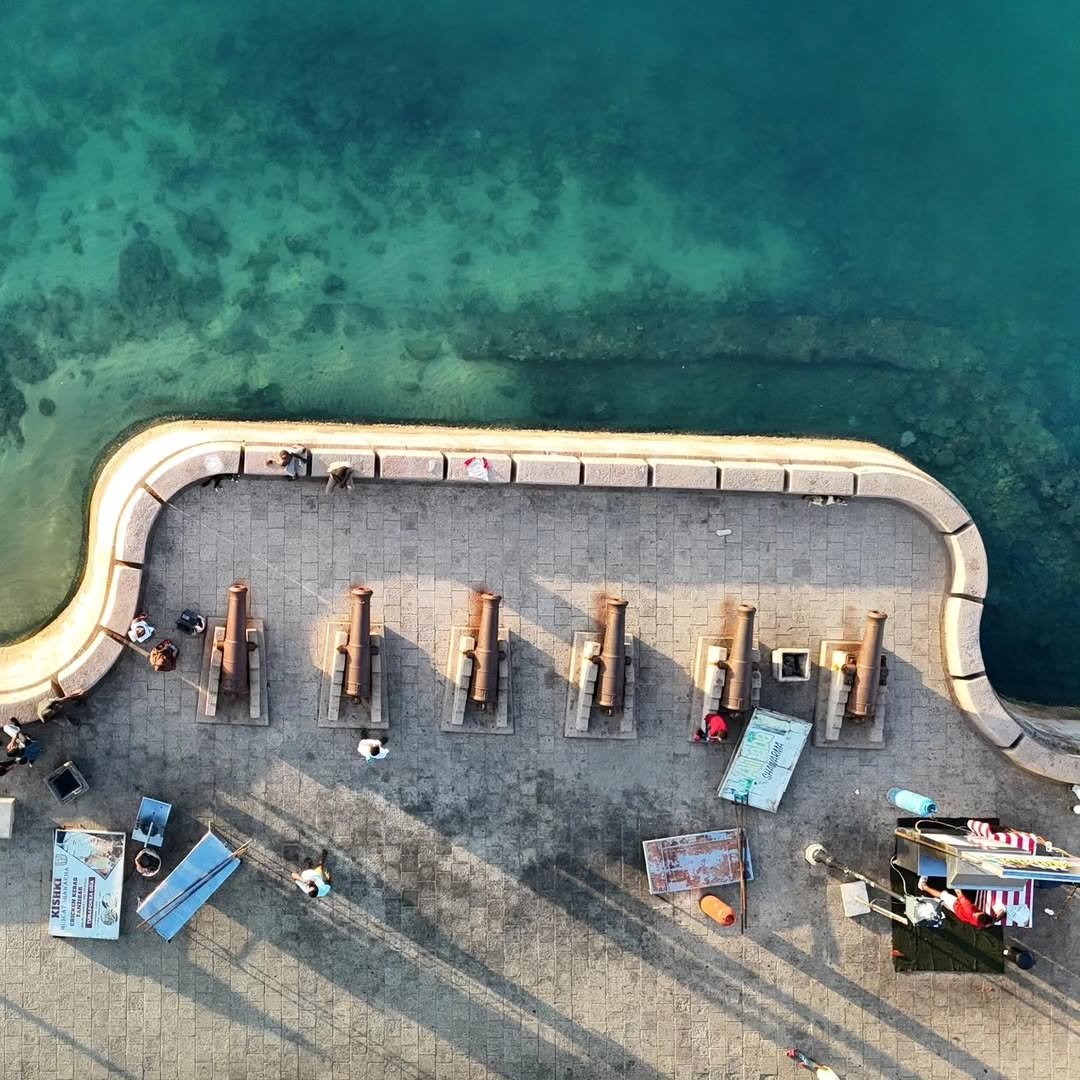
Historic Stone Town (UNESCO World Heritage Site)
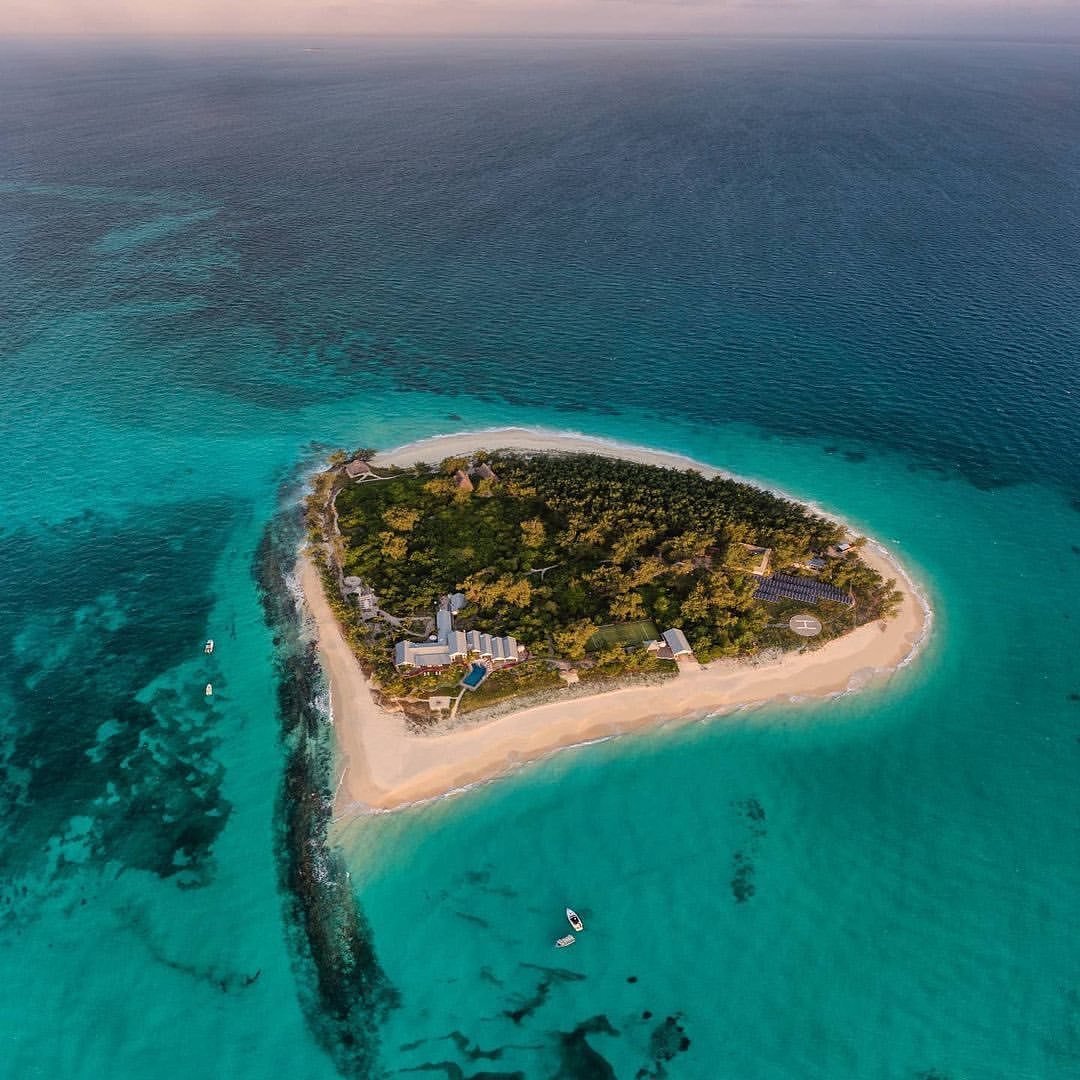
World-famous beaches and coral reefs
Spice farms and cultural heritage
A unique blend of African, Arab, and Indian traditions
The island continues to balance its rich, sometimes painful history with a forward-looking identity as a welcoming paradise for travellers from around the world.
Kilisherpas Travel Tip
The best way to truly understand Zanzibar is to combine a visit to historic Stone Town with a spice farm tour and time relaxing on the northern or eastern beaches. We often recommend pairing a mainland Tanzania safari with a Zanzibar extension, giving you the perfect balance of wildlife adventure and cultural relaxation.
Zanzibar’s history is a powerful reminder of how trade, culture, and resilience have shaped East Africa. Its story of revolution and unity continues to inspire.
Ready to explore the real Zanzibar?
Let Kilisherpas Travel design your perfect 2026 journey, whether you want a deep cultural experience in Stone Town, a relaxing beach holiday, or the ultimate Safari + Zanzibar combination.
Contact us today and discover the soul of the Spice Island.