Stone Town is the historic heart of Zanzibar and one of the most atmospheric places in East Africa. This labyrinth of narrow winding alleys, coral-stone buildings, intricately carved wooden doors, and ancient mosques feels like stepping back in time. A UNESCO World Heritage Site since 2000, Stone Town is a living testament to centuries of cultural exchange between Africa, Arabia, Persia, India, and Europe.
For many travelers, after the excitement of a Serengeti safari or the challenge of climbing Mount Kilimanjaro, Stone Town offers a perfect cultural contrast — a place where history, architecture, and daily life blend into an unforgettable experience.
Stone Town: First Impressions
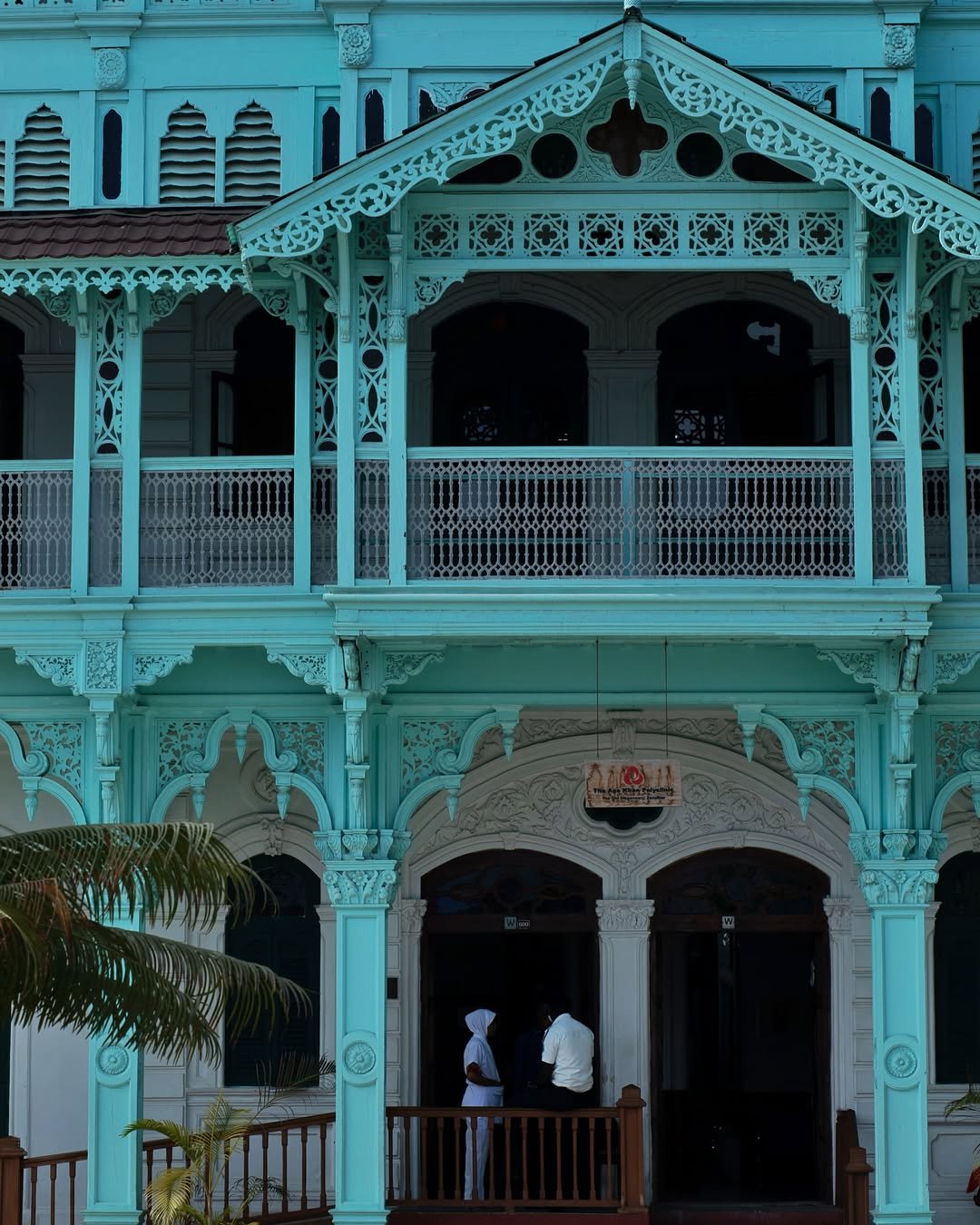
As soon as you enter Stone Town, you feel transported to another era. The buildings are constructed from coral limestone, giving the walls a warm, weathered appearance. Massive, hand-carved wooden doors — often studded with brass spikes originally designed to deter elephants — tell stories of wealth and status from centuries past. Balconies with intricate fretwork overhang the narrow streets, and the call to prayer echoes from minarets several times a day.
During the day, the streets bustle with locals in traditional Muslim attire, street vendors, and tourists exploring the maze. Modern touches — motorbikes squeezing through alleys, mobile phones in hands, and colorful wires crisscrossing above — remind you that you’re still in the 21st century. Yet the spell of the past remains strong.
Come back in the evening, when the heat of the day fades. Residents sit on their doorsteps, children play in the lanes, and the aroma of spices and grilled food fills the air. The magic of old Zanzibar returns in full force.
Stone Town: History Standing Still
Stone Town’s history stretches back over a thousand years. What we see today is largely the result of Arab, Persian, Indian, and African influences layered over centuries of Indian Ocean trade.
The area began as a small fishing village called Shangani. By the 12th century, it had grown into an important trading port under the influence of the powerful city-state of Kilwa Kisiwani on the mainland coast. Stone construction techniques introduced by Persian and Arab settlers gradually replaced wooden and thatched buildings.
In the late 17th century, after the Portuguese were expelled, the Omani Arabs took control. Under Omani rule, Stone Town flourished. The sultans moved their capital here from Oman in 1832, and the city became the center of the clove trade and the East African slave trade. Many of the grand palaces, mosques, and merchant houses you see today were built during this golden period.
The British established a protectorate over Zanzibar in 1890. They abolished the official slave trade and introduced some modern infrastructure, but much of the town’s character remained unchanged. The shortest war in history — the Anglo-Zanzibar War of 1896 — took place here and lasted only 38 minutes.
The Zanzibar Revolution and Union with Tanganyika
On January 12, 1964, just one month after independence from Britain, a violent revolution overthrew the Arab-led sultanate. The African majority rose up against centuries of Arab political and economic dominance. The revolution was bloody, resulting in thousands of deaths and the flight of many Arab and Indian residents.
Later that year, on April 26, 1964, Zanzibar united with Tanganyika to form the United Republic of Tanganyika and Zanzibar, later renamed Tanzania. The name itself combines “Tan” from Tanganyika and “Zan” from Zanzibar.
Today, Zanzibar remains semi-autonomous with its own president, parliament, and legal system, while foreign affairs and defense are handled by the union government.
What to See and Do in Stone Town
Stone Town is best explored on foot. Its narrow alleys are not designed for cars, so wandering is the best way to discover its hidden gems.
Must-Visit Attractions:
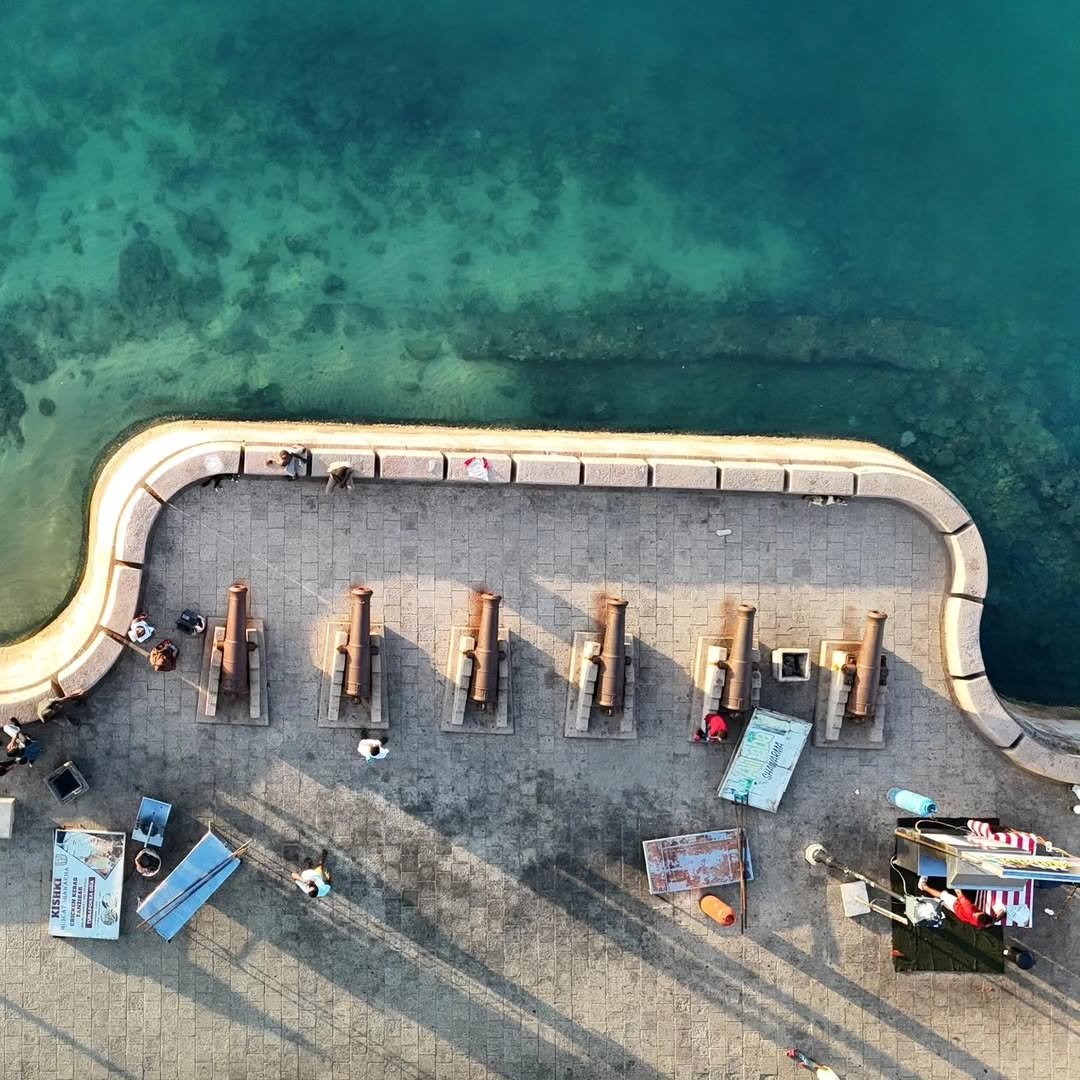
The Old Fort (Ngome Kongwe): Zanzibar’s oldest building, originally constructed by the Omanis. Today it houses shops, an amphitheater, and occasional cultural events.
House of Wonders (Beit el-Ajaib): Once the sultan’s palace and the first building in Zanzibar with electricity and an elevator. Currently undergoing restoration.
Forodhani Gardens: Waterfront park famous for its evening food market where you can try Zanzibar pizza, mishkaki, and fresh seafood.
Anglican Cathedral: Built on the site of the old slave market. Inside, you can see a cross made from the tree under which David Livingstone’s heart was buried.
Slave Trade Memorial: Powerful sculptures of chained figures near the cathedral serve as a somber reminder of Zanzibar’s dark past.
Darajani Market: Bustling food market where you can experience the sights, sounds, and smells of daily Zanzibari life.
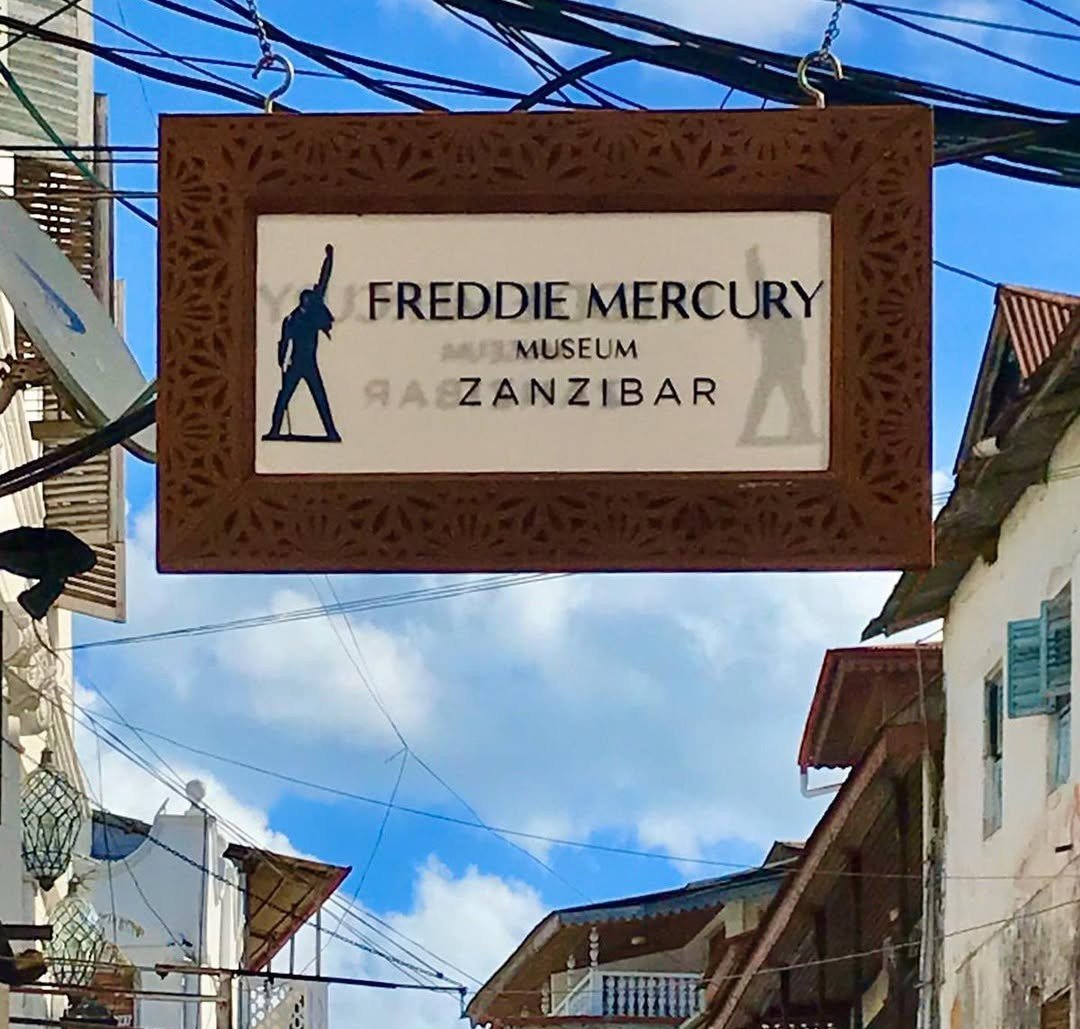
Freddie Mercury Museum: Located in the house where the Queen frontman spent his early childhood.
Architectural Highlights:
Look for the famous carved wooden doors — each tells a story of the owner’s wealth and status. Indian-influenced verandas, Persian-style balconies, and Arab-inspired arches create a unique architectural blend found nowhere else.
Kilisherpas Travel Tips for Visiting Stone Town
Visit early morning or late afternoon to avoid the midday heat.
Hire a knowledgeable local guide for a walking tour — they bring the history to life.
Wear modest clothing (cover shoulders and knees) out of respect for the local Muslim culture.
Bargain politely when shopping, but always with a smile.
Combine your Stone Town visit with a spice farm tour and a beach day for the perfect Zanzibar experience.
Stone Town is not a polished museum — it is a living, breathing town where history continues to unfold. Some buildings are crumbling, others are being lovingly restored. This imperfection only adds to its authentic charm.
Whether you spend one day or several, Stone Town will leave a lasting impression — a place where the past and present meet in the narrow alleys of Africa’s most fascinating historic town.
Ready to explore Stone Town and the best of Zanzibar?
Let Kilisherpas Travel create your perfect Zanzibar itinerary. From guided walks through Stone Town to seamless safari + beach combinations, we take care of every detail so you can focus on making memories.
Contact us today and discover the soul of the Spice Island.